
You bought the Instant Pot, made rice once, and then it went to live in a cupboard. Sound familiar? You’re in large company.
The truth is that a pressure cooker rewards a few simple habits, and once you have them, it handles a surprising amount of weeknight cooking. Here are twelve Instant Pot recipes that work well for beginners, plus the basics that make them turn out right.
Before You Start: Four Things Worth Knowing
Liquid matters. The pot needs thin liquid, like water or broth, to build pressure. Most recipes call for at least one cup, though the exact amount depends on your model, so check your manual.
Cooking time doesn’t include heat-up. The pot takes 5 to 15 minutes to come to pressure, depending on how much food is inside and how cold it is. Then the timer starts.
Release method changes the result. Natural release means letting the pressure drop on its own, which is gentler on meat and beans. Quick release means turning the valve, which suits vegetables and pasta. Use caution with the steam, which is very hot.
Don’t overfill. Stay below the max line, and keep food at or below the halfway mark for beans and rice, which expand.
1. Chili

Chili is the classic first project. Brown ground turkey or beef on the sauté setting, add onion, garlic, chili powder, cumin, canned tomatoes, beans, and a cup of broth. Cook at high pressure for about 15 minutes, then let it release naturally for 10. The flavor tastes like it simmered all afternoon, and it freezes well.
2. Pulled Chicken
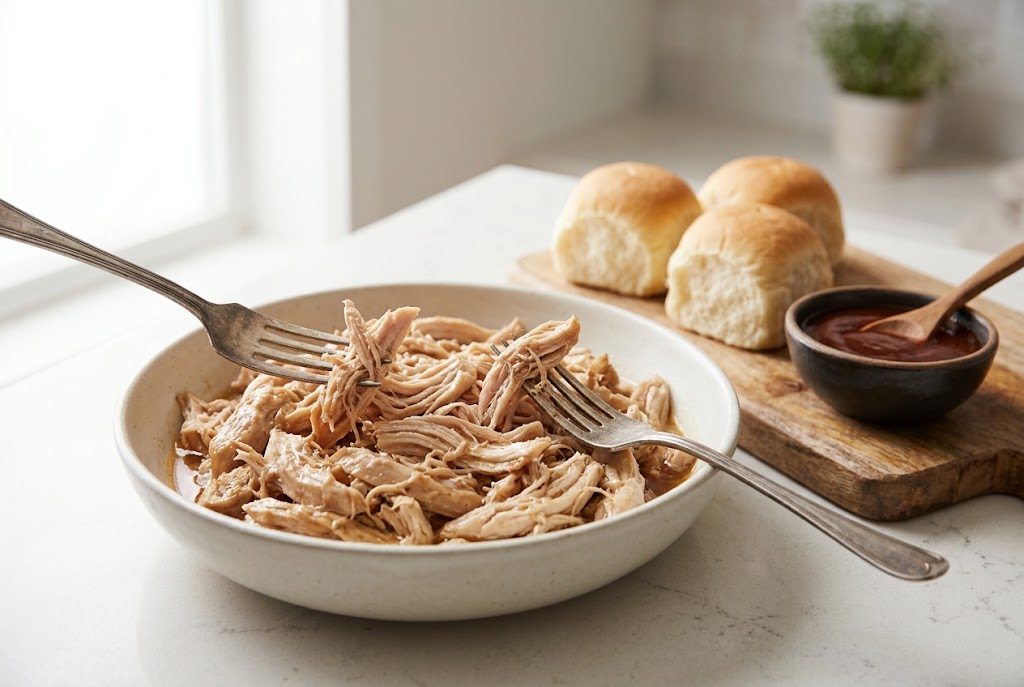
Season boneless chicken breasts or thighs, pour in a cup of broth, and cook at high pressure for around 10 to 12 minutes, depending on thickness. Shred with two forks. Toss with barbecue sauce for sandwiches, or use it in tacos, salads, and rice bowls. Chicken must reach 165°F inside, so check with a thermometer.
3. Rice
Rice is simple, but the ratio matters. For long-grain white rice, many cooks use equal parts rice and water, with about 3 minutes at high pressure and a 10-minute natural release. Brown rice needs more water and roughly 22 minutes. Rinse it first, and fluff with a fork.
4. Lentil Soup
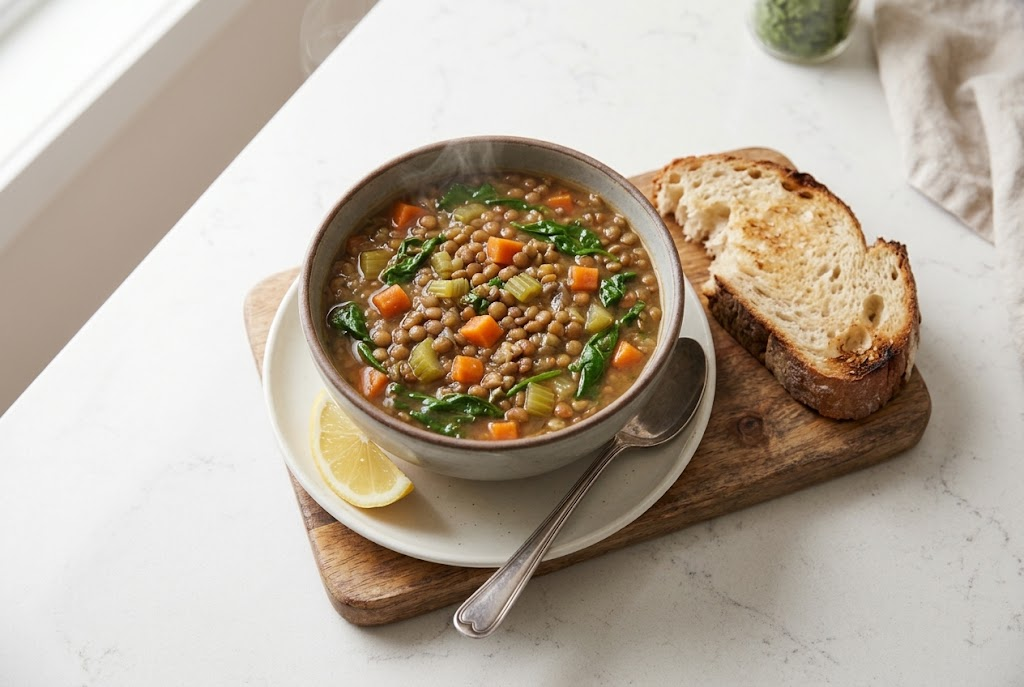
Dried lentils don’t need soaking. Sauté onion, carrot, and celery, then add garlic, cumin, lentils, broth, and canned tomatoes. Cook at high pressure for around 10 minutes. Finish with lemon juice and a handful of spinach. It’s cheap, filling, and about as forgiving as soup gets.
5. Dried Beans
This is where the Instant Pot earns its place. Soaked beans may cook in 10 to 25 minutes depending on the type, and unsoaked ones take longer, often 30 to 60. Beans can foam, so don’t overfill, and let the pressure release naturally. Add salt and acidic ingredients like tomatoes toward the end if you want soft beans.
6. Oatmeal
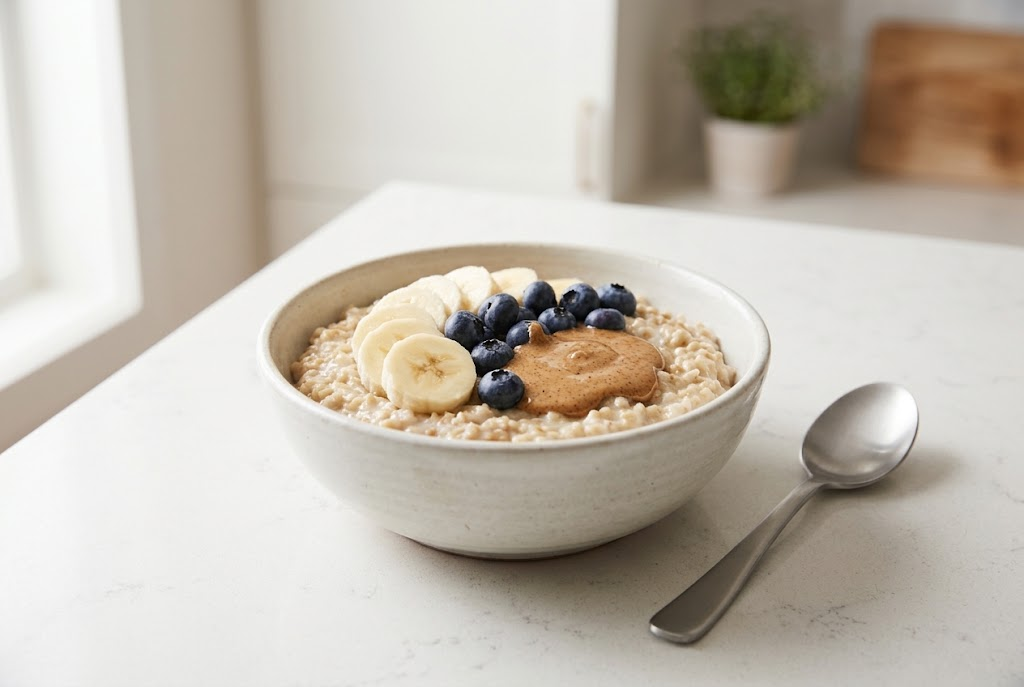
Steel-cut oats, normally a 30-minute stovetop job, finish in about 4 minutes at high pressure with a natural release. Use roughly one part oats to three parts liquid, and stir in fruit or nut butter at the end. It’s a solid make-ahead breakfast that reheats well for the week.
7. Whole Chicken
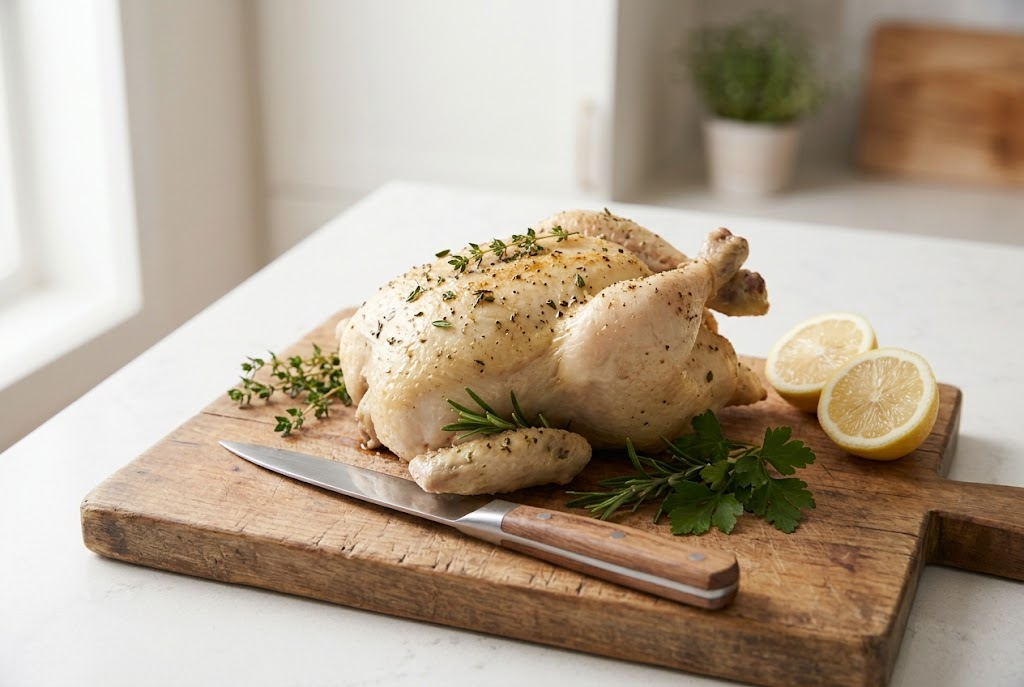
A 3 to 4 pound chicken, seasoned and set on the trivet with a cup of broth, takes about 25 to 30 minutes at high pressure, plus a natural release. Check for 165°F in the thickest part of the thigh and breast. The skin will be pale and soft, so crisp it briefly under the broiler if you want. Save the carcass for stock.
8. Beef Stew
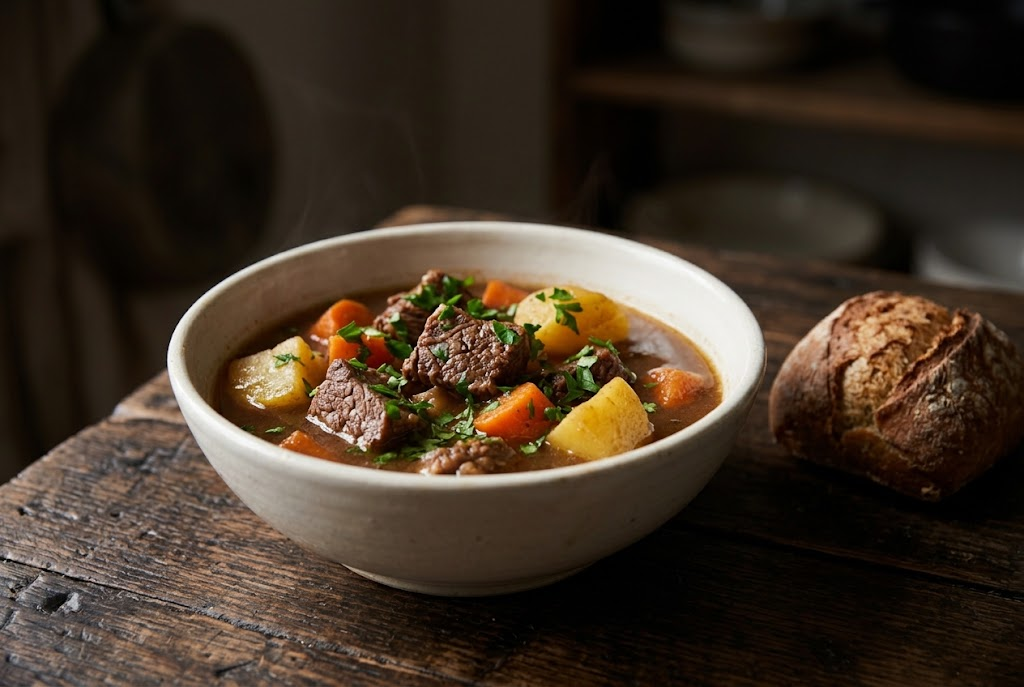
Tough cuts like chuck roast, cut into chunks, become tender in about 35 minutes at high pressure. Brown the meat first, then add onion, carrots, potatoes, broth, tomato paste, and herbs. Add the potatoes later, or cut them large, so they don’t turn to mush.
9. Mac and Cheese
Pasta cooks directly in the pot. Combine macaroni and water or broth, cook for about 4 minutes, quick release, then stir in milk and shredded cheese until smooth. Because pasta brands vary, the package time minus one or two minutes is a good starting point.
10. Hard-Boiled Eggs
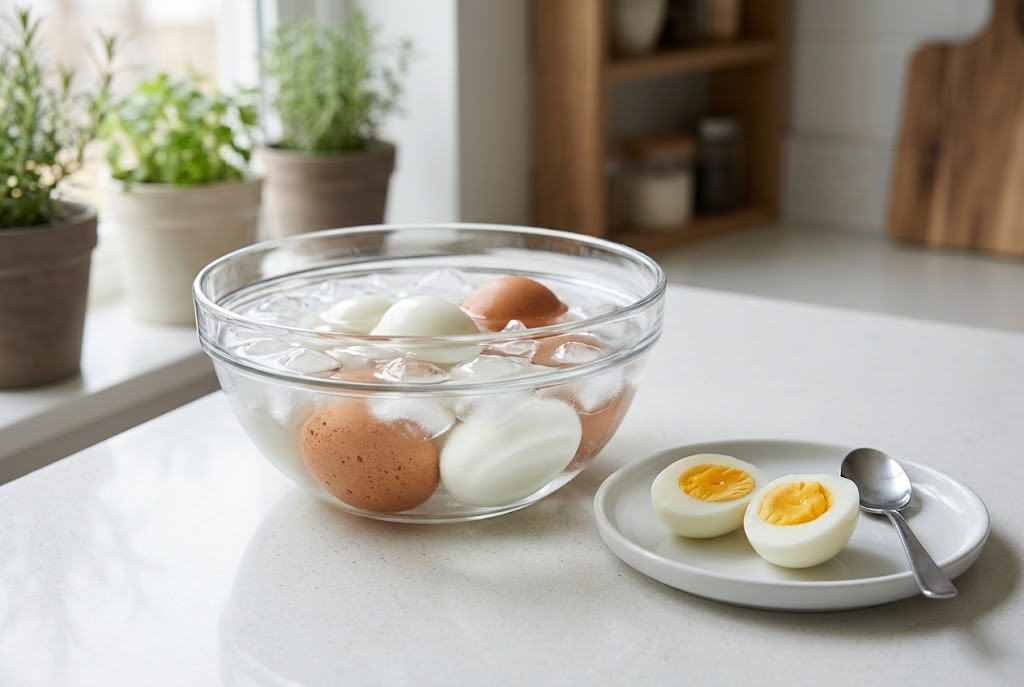
The famous “5-5-5” method is popular for a reason: 5 minutes at high pressure, 5 minutes natural release, then 5 minutes in an ice bath. The shells tend to peel easily. Adjust by a minute or so to get the yolk texture you like, and refrigerate eggs promptly after cooling.
11. Mashed Potatoes
Cut potatoes into chunks, add a cup of water, and cook about 8 minutes at high pressure with a quick release. Drain, then mash with butter, warm milk, and salt. Don’t overwork them, or they turn gluey.
12. Cheesecake

Yes, really. A small springform pan sits on the trivet, and the steamy environment keeps the cheesecake smooth and prevents cracking. Most recipes use around 30 to 40 minutes at high pressure and a long natural release, then several hours in the fridge. Wrap the pan in foil to keep water out.
Common Beginner Mistakes
Using too little liquid is the usual cause of the “burn” warning. Thick sauces like tomato sauce or cream also scorch the bottom, so layer them on top without stirring, or add them after pressure cooking.
Skipping the seal check is another. Make sure the sealing ring is seated and the valve is set to sealing. And if food is stuck to the bottom after sautéing, deglaze with a splash of broth and scrape it free before pressure cooking.
Keeping Leftovers Safe
Cool cooked food promptly and refrigerate it within two hours. Most leftovers keep for three to four days in sealed containers. The FoodSafety.gov cold food storage chart lists storage times for many foods. Reheat leftovers until they’re steaming hot, to an internal temperature of 165°F.
A Quick Note on Safety
Never force the lid open while the pot is under pressure, and keep your hands and face away from the steam valve during release. Always follow your model’s manual. If you’re thinking about canning at home, don’t use the Instant Pot unless the manufacturer says your model is approved for it, because safe home canning has strict requirements.
Frequently Asked Questions
Are Instant Pot recipes healthy?
It depends on what you cook. A lentil soup is a very different meal from a cheesy pasta, so choose ingredients with fiber and vegetables for everyday meals.
Can I cook frozen meat in an Instant Pot?
Often yes, with extra cooking time, but follow your manual and recipe guidance. Check that it reaches a safe internal temperature.
What’s the difference between natural and quick release?
Natural release lets pressure drop on its own, which suits meat and beans. Quick release lets steam out immediately, which suits vegetables and pasta.
Why does my Instant Pot say “burn”?
Usually food is stuck to the bottom or the sauce is too thick. Add thin liquid and scrape the bottom clean.
Final Thoughts
An Instant Pot doesn’t need fancy recipes. Start with rice, chili, or shredded chicken, learn how your own pot behaves, and add one new recipe a week. Times above are estimates, so always check your manual and use a thermometer for meat. For more simple kitchen guides, take a look at Praviceler.



Leave a Reply