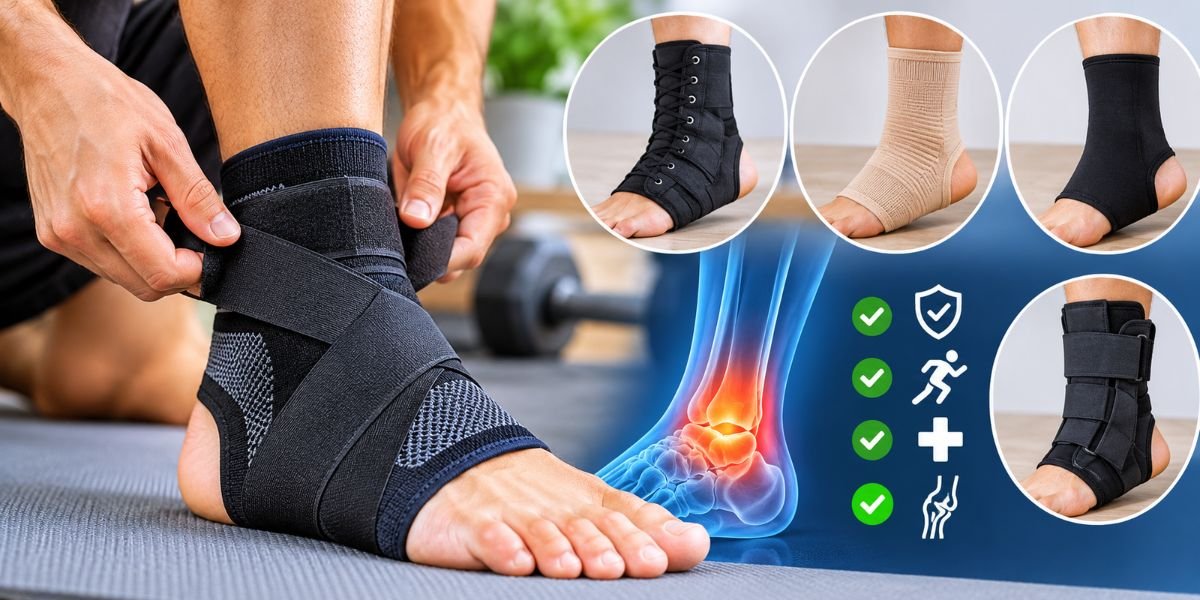
Ankle support is any brace, sleeve, or strapping worn around the ankle to give it compression, stability, or a feeling of security. The main types are soft compression sleeves, semi-rigid lace-up or hinged braces, and rigid stirrup braces. The best choice depends on why you need support, how much stability you want, and what you will be doing while you wear it.
With so many options in shops and online, choosing can feel confusing. This guide explains the different types of ankle support braces, their possible benefits and limits, how to choose and wear one, and when it is time to see a healthcare professional.
Key Takeaways
- Ankle support braces come in three broad types: soft (sleeves and wraps), semi-rigid (lace-up and hinged), and rigid (stirrup).
- A brace can give compression and a feeling of stability, but it does not treat the cause of ankle pain or cure an injury.
- Choose a type that matches your needs, fits snugly without cutting off circulation, and fits inside your shoes.
- Wear a brace as directed by your healthcare professional or the manufacturer’s instructions.
- See a GP if pain is getting worse, isn’t better after about two weeks, or you have tingling, numbness, or other warning signs.
What Is Ankle Support?
Ankle support is a general term for products that wrap around or fit over your ankle to give it extra compression or stability. People use them for many reasons, such as a sprain, a feeling of weakness or “giving way”, or extra confidence during activity.
A sprained ankle is one of the most common reasons people look for support. NHS hospital leaflets explain that a sprain happens when you roll or twist your ankle and stretch or tear the ligaments that help hold the ankle bones in place, most often on the outer side of the ankle.
For mild injuries, NHS guidance on sprains and strains lists protection as one of the first steps, for example using a support or shoes that support your foot or ankle. Support is therefore one part of looking after an ankle, not the whole answer.
Different Types of Ankle Support Braces
A hospital health library article from MUSC Health groups braces into three categories. Here is how they compare in everyday terms.
Soft Braces and Compression Sleeves
These are stretchy, slip-on sleeves or wraps made from fabric. They provide gentle compression and can help with mild swelling and discomfort. MUSC Health notes that they are fairly inexpensive and easy to find in shops with a pharmacy section. They offer the lightest support and are the most comfortable to wear under everyday shoes.
Lace-Up Braces (Semi-Rigid)
Lace-up braces are fabric supports that fasten with laces, a bit like a shoe, and often add straps. They let you adjust the tightness and give more stability than a simple sleeve while still allowing normal walking movements. They are widely available at pharmacies and sports shops.
Hinged Braces (Semi-Rigid)
Hinged braces have side supports with a hinge that allows your foot to move up and down but limits side-to-side movement. They are bulkier than a sleeve and are often chosen when more stability is needed.
Rigid Stirrup Braces
Stirrup braces have hard plastic sides on either side of the ankle, held in place with straps. MUSC Health describes them as a more secure, firmer option. They offer the most protection against side-to-side movement but can be bulky and may not fit in every shoe.
Walking Boots and Medical Devices
A walking boot or other medical device is not the same as an off-the-shelf ankle brace. If a healthcare professional has recommended one, follow their advice on how long to wear it.
Benefits of Wearing Ankle Support
The possible benefits depend on the type of support and your situation. Based on NHS and hospital guidance, an ankle support may:
- Reduce pain and swelling. A leaflet from Northern Care Alliance NHS Foundation Trust says you may use a brace or support for compression to reduce pain and swelling after an ankle injury, and that it can be used for the first two weeks.
- Protect the ankle in the early stage of an injury. The NHS lists protection, such as using a support, among the first steps after a sprain.
- Give a feeling of stability. Many people feel more confident walking on uneven ground with some support.
- Help you stay moving. The same Northern Care Alliance leaflet says early weight-bearing has been shown to help sprained ankles heal more quickly, so support should allow movement unless you have been told otherwise.
What ankle support does not do: it does not repair torn ligaments, fix the cause of long-term pain, or replace exercises and rehabilitation. Treat it as one tool among several.
How to Choose the Right Ankle Brace
Use this simple checklist:
- Think about your purpose. Is it for mild swelling, a recent sprain, extra confidence during sport, or general comfort? Mild issues may only need a sleeve, while a feeling of instability may need a lace-up or hinged brace. If you are unsure, ask a pharmacist or physiotherapist.
- Match the support level. Soft is the lightest, semi-rigid is in the middle, and rigid is the firmest.
- Measure your ankle. Sizing differs between brands, so use the maker’s size chart rather than guessing.
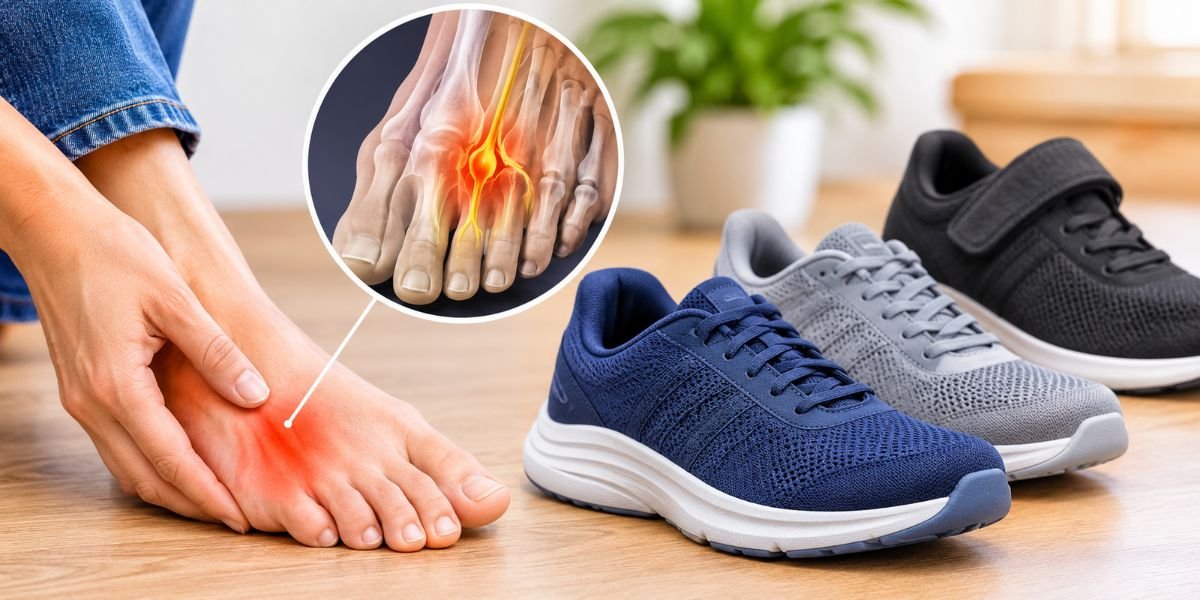
- Check it fits in your shoes. Bulky braces may need a roomier pair of shoes. Our guide to wide shoes for Morton’s neuroma explains what to look for in a roomy toe box and cushioned sole, which is useful when you need space for a brace too.
- Look for comfort features. Breathable fabric, flat seams, and adjustable straps can make a brace easier to wear for longer.
- Check the instructions. Reputable products explain how to put them on and how long to wear them.
- Don’t buy on price alone. A cheap brace that rubs or slips will not get worn.
Ankle Support for Walking and Daily Activities
For everyday life, comfort matters most. A slim sleeve or low-profile lace-up brace is usually easiest to wear under trousers and inside shoes. Some tips:
- Wear supportive shoes. A hospital leaflet notes that people are more likely to sprain an ankle if they have sprained it before, and that you should take care on uneven surfaces, stairs, and in shoes that are not supportive.
- Don’t rely on a brace to let you carry on regardless. If your ankle hurts, rest it as advised.
- Take it off to rest when you are sitting, unless you have been told to keep it on.
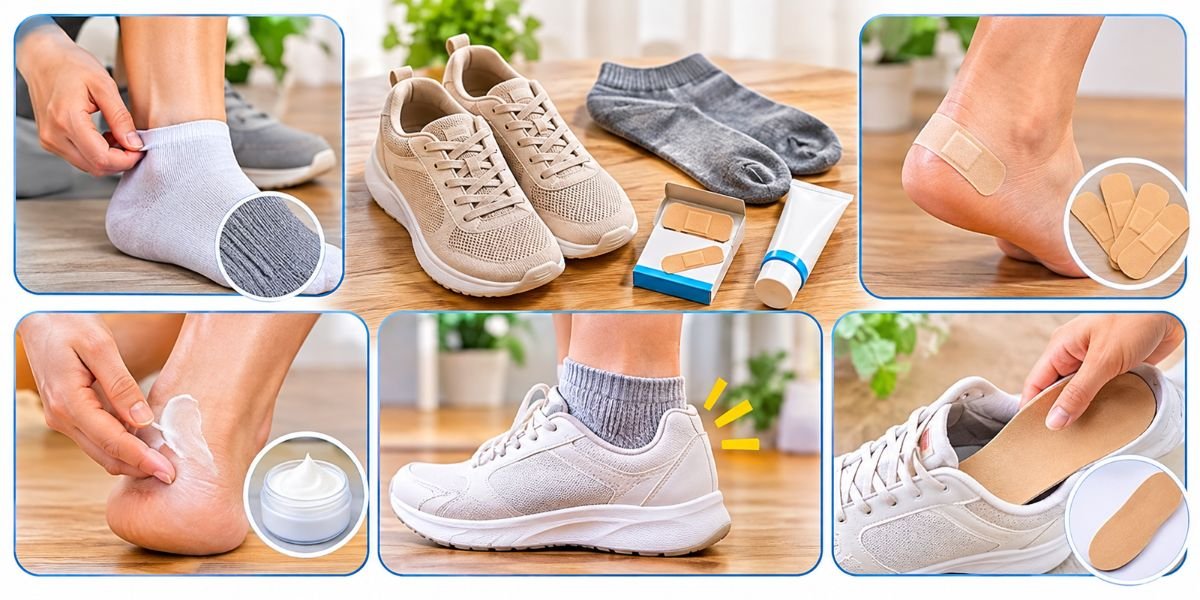
- Keep your skin clean and dry to avoid rubbing, and wear a thin sock underneath if the brace feels scratchy.
Ankle Support for Sports and Exercise
People who play sports that involve sudden turns, jumping, or uneven ground sometimes choose a lace-up or stirrup-style brace for extra stability. Points to remember:
- Choose a brace that fits snugly inside your sports shoe without making the shoe too tight.
- Warm up properly and build activity back gradually after an injury.
- A brace should not be used to push through pain. Stop if your ankle hurts, swells, or gives way.
- If you have had a significant sprain, ask a physiotherapist about exercises that build strength and balance, and whether a brace suits your sport.
How to Wear an Ankle Support Correctly
Always follow the instructions that come with your product. In general:
- Start with clean, dry skin and a clean sock that is not too thick.
- Position the brace so it sits centred on your ankle, with the heel properly in place.
- Fasten it snugly. It should feel supportive but not painfully tight.
- Check your toes. If they turn pale, blue, cold, numb, or tingly, loosen or remove the brace.
- Put your shoe on and walk a few steps to check comfort.
- Remove and check your skin regularly for redness or rubbing.
- Wash according to the label to keep it fresh.
For a recent injury, a hospital leaflet says milder sprains are expected to recover within about three to four weeks, and in more severe cases a brace may be worn for four to six weeks. Your healthcare professional will advise what is right for you.
When Should You See a Healthcare Professional?
The NHS ankle pain page advises seeing a GP if:
- ankle pain is stopping you doing normal activities
- the pain is getting worse or keeps coming back
- the pain has not improved after about two weeks of treating it at home
- you have tingling or loss of sensation in your foot
- you have diabetes and foot pain, as foot problems can be more serious
Go to an urgent treatment centre or A&E if you have severe ankle pain, feel faint, dizzy, or sick from the pain, or your ankle or foot has changed shape or sits at an odd angle. Call 111 if you’re not sure what to do.
Frequently Asked Questions
What is the best ankle support for a sprain?
The best type depends on how severe the sprain is and what your healthcare professional advises. Many people use a lace-up or semi-rigid brace for moderate sprains, while a soft sleeve may be enough for mild swelling. Ask a pharmacist, GP, or physiotherapist if you are unsure.
Should I wear an ankle brace all day?
Not necessarily. Follow the instructions and any advice you were given. Some people wear one during activity and take it off to rest. For a new injury, a hospital leaflet suggests a brace may be used for the first two weeks.
Can I wear an ankle support in bed?
Only if a healthcare professional has told you to. Otherwise most supports are designed for use while you are up and about.
Does an ankle brace weaken the ankle?
People sometimes worry about this. It is sensible to avoid relying on support for longer than needed, and to do strengthening and balance exercises. A physiotherapist can advise on the right balance for you.
Can an ankle brace fit inside a normal shoe?
Sleeves and slim lace-up braces often fit in regular shoes, but bulkier braces may need a larger or wider pair. Try the brace with the shoes you intend to wear.
How tight should an ankle support be?
Snug and supportive, but not painful. If you notice numbness, tingling, colour changes, or increasing pain, loosen or take it off and seek advice.
How do I know if my ankle injury is serious?
Signs that need urgent care include severe pain, being unable to put weight on the foot, or a changed shape in the ankle or foot. If in doubt, contact a healthcare professional.
Final Thoughts
Good ankle support can make everyday movement more comfortable and give you confidence, but it works best as part of a wider plan that includes rest, gentle movement, suitable shoes, and professional advice where needed. Choose a type that matches your needs, make sure it fits properly, and see a healthcare professional if your symptoms don’t improve.
What do you need your ankle support for: daily walking, sport, or recovery?
Leave a Reply