
Gingerbread cookies smell like Christmas before they’ve even left the oven. Warm ginger, cinnamon and treacly sweetness are about as festive as baking gets, and the dough is easy enough for children to help with.
Below is one reliable base recipe, followed by 14 ways to change it: soft or crisp, iced or dipped, gluten-free, vegan, even turned into truffles. Start with the base and you can make nearly everything else on the list.
Idea 1: Classic Gingerbread Cookies (The Base Recipe)

Prep: 20 minutes, plus 30 minutes chilling | Bake: 10 to 12 minutes per batch | Makes: about 20 medium cookies | Difficulty: Easy
Ingredients

- 350g plain flour, plus extra for rolling
- 2 tsp ground ginger
- 1 tsp ground cinnamon
- 1 tsp bicarbonate of soda
- ½ tsp salt
- 125g butter
- 175g soft dark brown sugar
- 4 tbsp golden syrup
- 1 large egg, beaten
Method
Make the dough. Melt the butter, sugar and golden syrup together in a pan over a low heat, stirring until smooth. Take it off the heat and let it cool for a few minutes. In a large bowl, mix the flour, ginger, cinnamon, bicarbonate of soda and salt. Pour in the butter mixture and the egg and stir until it forms a soft dough. It will be sticky at first and firms up as it cools.
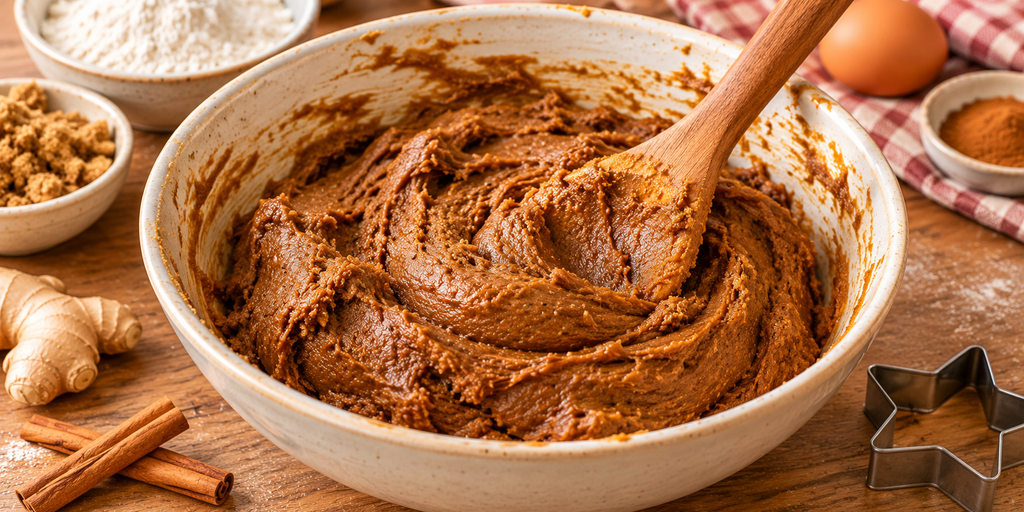
Chill. Shape the dough into a flat disc, wrap it and chill for at least 30 minutes. Cold dough is much easier to roll and holds its shape better in the oven.
Roll and cut. Heat the oven to 180°C (160°C fan, gas mark 4) and line two baking trays. Roll the dough on a lightly floured surface to about 5mm thick.
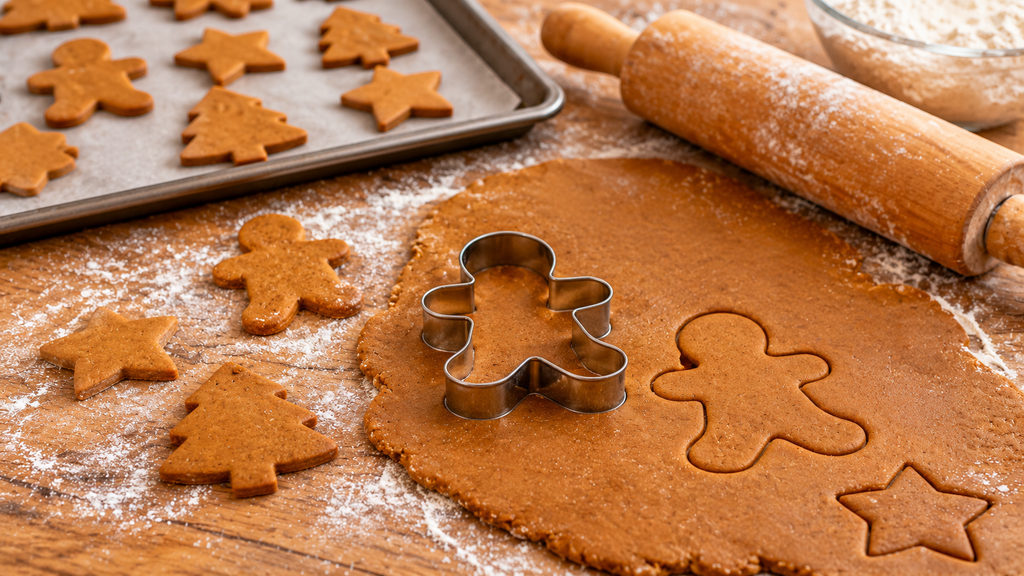
Cut out your shapes and lift them onto the trays with a little space between each one. Re-roll the offcuts once or twice.
Bake. Bake for 10 to 12 minutes, until the edges are firm and slightly darker. The middle may still look a little soft.
Cool. Leave the cookies on the tray for a few minutes, then move them to a wire rack. They firm up as they cool.
Tips for the base recipe
- Don’t skip the chilling. Warm dough spreads in the oven and loses its shape.
- Roll evenly. Cookies of different thickness bake at different speeds.
- Check early. Ovens vary, so look at the cookies a minute or two before the time is up.
- No golden syrup? Honey or maple syrup will work, though the texture may change slightly, and honey isn’t suitable for babies under 12 months. For a deeper flavour, replace one tablespoon of the syrup with black treacle.
14 Gingerbread Cookie Variations
Idea 2: Soft and Chewy Gingerbread Cookies
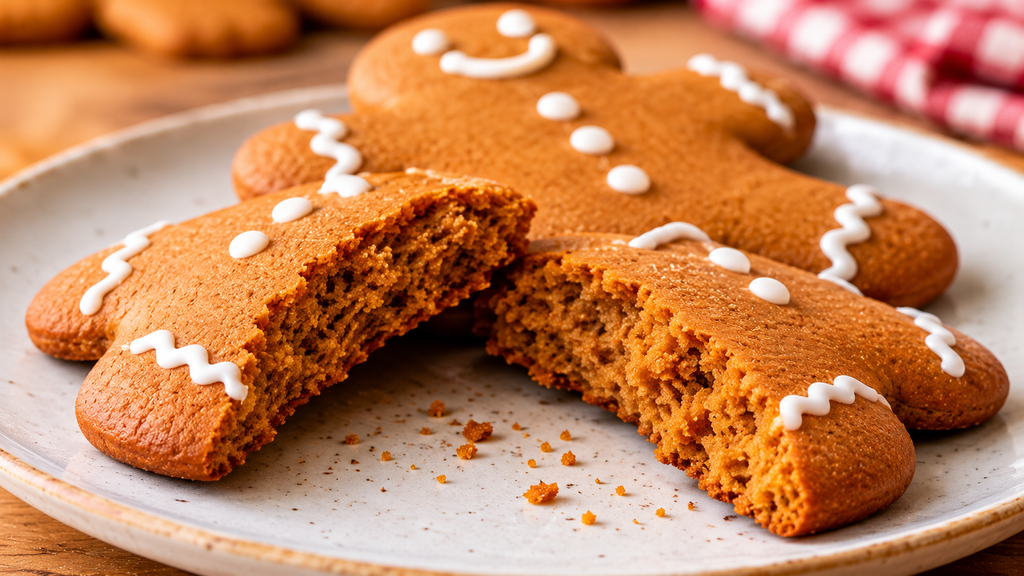
For soft centres, roll the dough a little thicker, around 7 to 8mm, and bake for the lower end of the time, taking them out while the middle still looks slightly underdone. They’ll finish setting on the tray. Store them in an airtight container with a slice of bread if you want them to stay soft.
Idea 3: Crisp Gingerbread Biscuits

For snappy biscuits, roll the dough thinner, about 3mm, and bake for a couple of minutes longer, until the edges are properly golden. They’re ideal for dunking in tea or building into gingerbread houses, as thin ones can be fragile, so handle them gently.
Idea 4: Gingerbread Crinkle Cookies

Skip the rolling. Scoop tablespoons of dough, roll into balls, then roll them in caster sugar and flatten slightly on the tray. Bake for 10 to 12 minutes. The tops crack as they bake, giving a crinkly, sugary finish.
Idea 5: Iced Gingerbread Cookies

Mix 200g icing sugar with about 2 tbsp of water to make a thick icing that can be piped or spread. Add a drop more water at a time to loosen it. Decorate once the cookies are completely cool, or the icing will melt. Let the icing set for a few hours before stacking. Traditional royal icing uses raw egg white, so use pasteurised egg white or meringue powder if you go that way.
Idea 6: Gingerbread Sandwich Cookies

Beat 75g soft butter with 150g icing sugar and 1 tsp vanilla or a little orange zest. Spread a spoonful between two cooled cookies and press gently. If you use a cream cheese filling instead, keep the sandwiches in the fridge.
Idea 7: Chocolate-Dipped Gingerbread
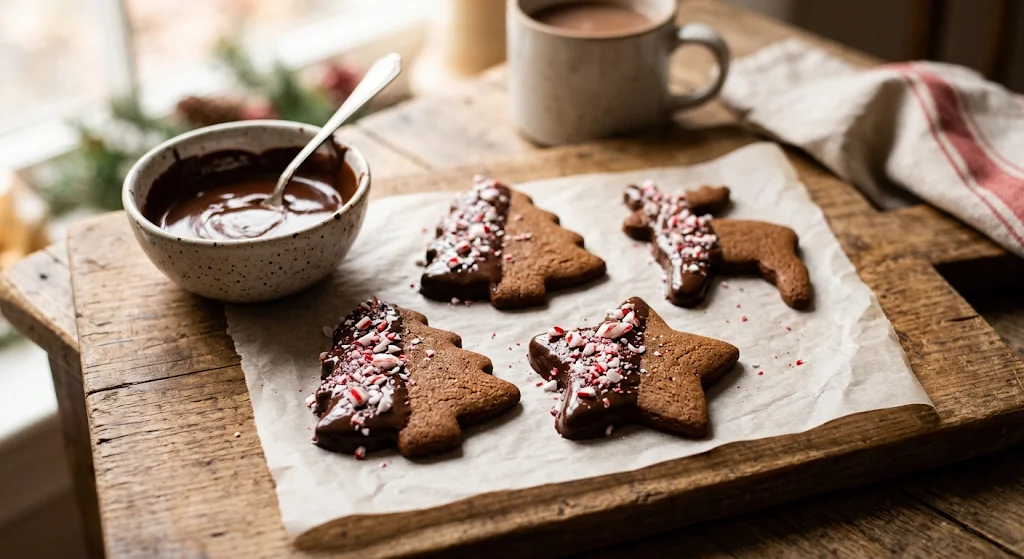
Melt 100g dark, milk or white chocolate slowly, in short bursts in the microwave or over a pan of just-simmering water. Dip half of each cooled cookie, let the excess drip off and set on baking paper. Chill for a few minutes to firm up. Add sprinkles or crushed candy cane before it sets.
Idea 8: Gingerbread Tree Decorations

Cut shapes, then use a straw or skewer to make a hole near the top of each one before baking. Bake until completely firm, and re-poke the hole if it closes up while the cookies are still warm. Once cool, decorate with icing and thread with ribbon. Cookies that hang for days are better treated as decorations than something to eat later.
Idea 9: Orange Gingerbread Cookies

Add the finely grated zest of one orange to the dough with the dry ingredients. For a glaze, mix icing sugar with a little orange juice until it’s a thick, pourable consistency, and drizzle it over the cooled cookies. The citrus adds a fresh edge to the warm spices.
Idea 10: Dairy-Free Gingerbread Cookies
Replace the butter with a dairy-free baking block, which holds its shape better than a soft spread. Check the labels on all ingredients, including the sugar and syrup, for milk. Use dairy-free chocolate if you’re dipping or decorating.
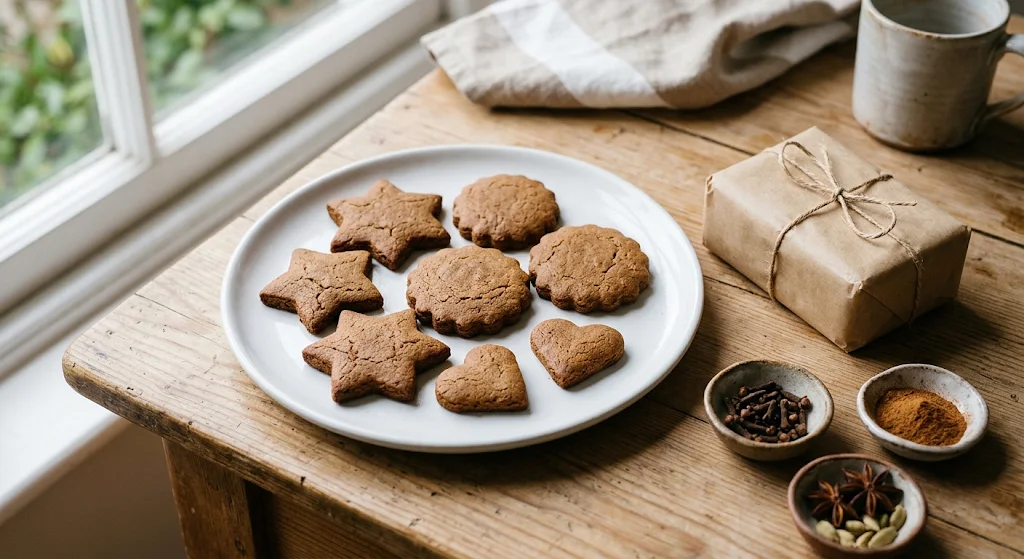
Idea 11: Vegan Gingerbread Cookies
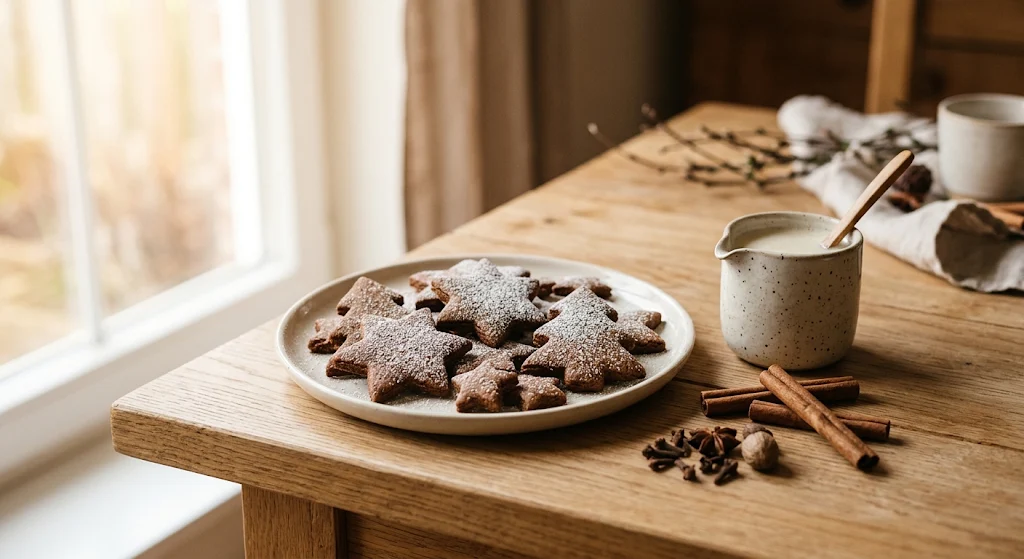
Build on the dairy-free version and replace the egg with about 2 tbsp of plant-based milk, adding a little more only if the dough is too dry. Dough may be a little crumblier, so chill it well and handle it gently. Check labels for vegan suitability, as some brown sugars and decorations aren’t vegan.
Idea 12: Gluten-Free Gingerbread Cookies
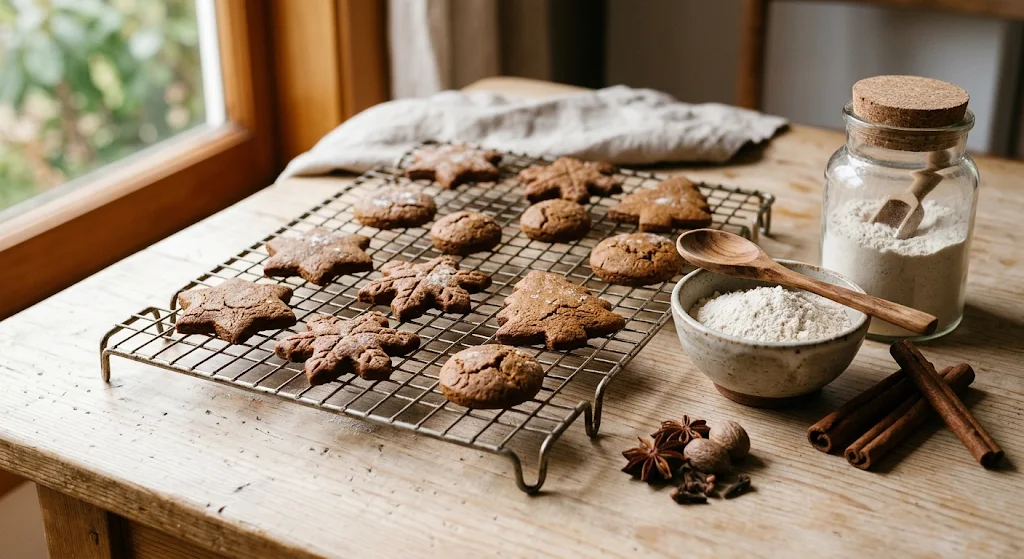
Use a gluten-free plain flour blend in place of the plain flour. The dough may be crumblier, so a splash of milk can help, and the cookies are more fragile when warm, so leave them on the tray to firm up. If you’re baking for someone with coeliac disease, check every label, including spices, icing sugar and decorations, and avoid cross-contamination.
Idea 13: Mini Gingerbread Biscuits for Hot Drinks

Use small 3 to 4cm cutters and bake for about 6 to 8 minutes, until the edges are golden. Perch them on the rim of a mug of hot chocolate or serve with coffee. Keep an eye on them, as small cookies brown quickly.
Idea 14: Gingerbread Truffles
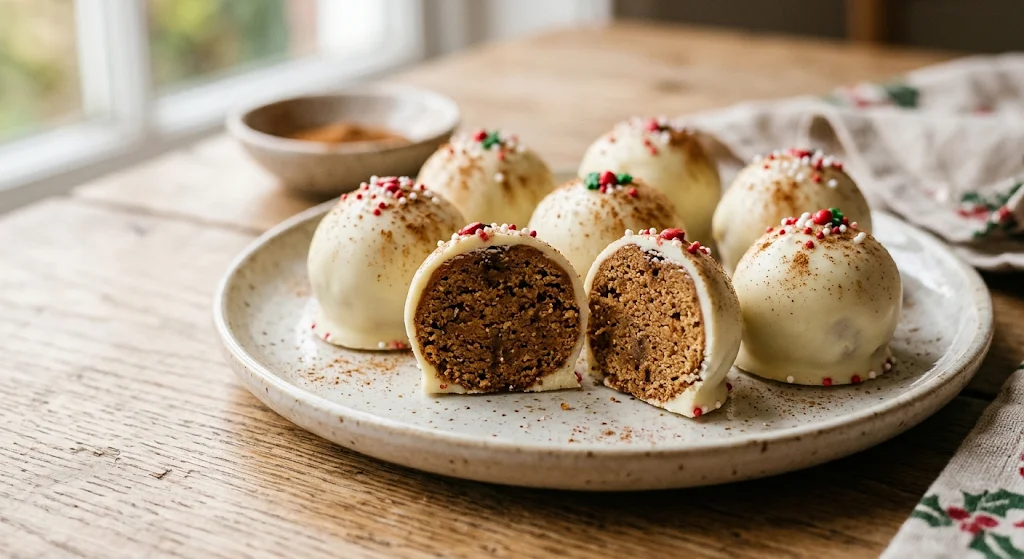
Crush about 150g of cooled gingerbread cookies to fine crumbs and mix with 100g soft cream cheese until it holds together. Roll into balls, chill for 30 minutes, then dip in melted white chocolate. Keep them in the fridge, as they contain cream cheese.
Idea 15: Gingerbread Cheesecake Base
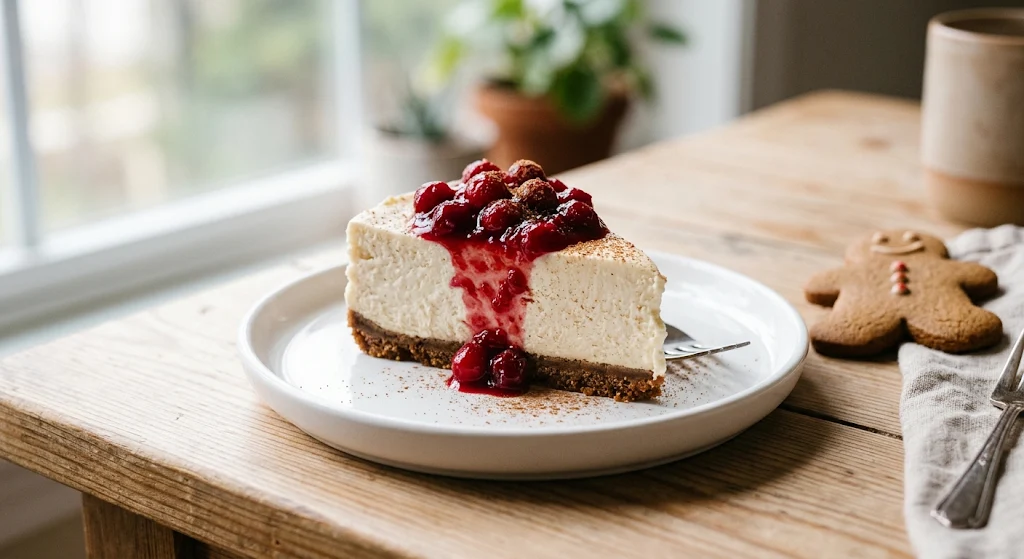
Use crisp gingerbread biscuits instead of digestives for a cheesecake base. Crush about 200g to crumbs, mix with 100g melted butter, press into a lined tin and chill before adding your filling. It pairs well with a no-bake cheesecake and a spoonful of cranberry sauce.
Quick Guide: Which Version Should You Make?
| If you want… | Try |
|---|---|
| The classic shape for decorating | Ideas 1 and 5 |
| Soft, chewy cookies | Ideas 2 and 4 |
| Crisp biscuits for dunking | Ideas 3 and 13 |
| Something to give as a gift | Ideas 5, 7 and 8 |
| A dietary-friendly option | Ideas 10, 11 and 12 |
| A no-bake use for cookies | Ideas 14 and 15 |
Storage and Make-Ahead Tips
Store baked cookies in an airtight container at room temperature and eat them within about a week. Iced cookies should be completely set before you stack them. Anything with cream cheese filling, such as the truffles, should be kept in the fridge.
You can make the dough up to a couple of days ahead and keep it wrapped in the fridge. You can also freeze the wrapped dough, which suits batch baking, and defrost it in the fridge before rolling. Cooled, undecorated cookies can be frozen too, in a container with baking paper between layers.
Allergies and Dietary Needs
Gingerbread cookies commonly contain gluten, egg and milk, and decorations can contain nuts or other allergens. If you’re baking for guests or children with allergies, read all labels, because ingredients vary between brands, and check with the person or their parent if you’re unsure. For gluten-free, vegan or dairy-free versions, use suitable products and avoid cross-contamination with other ingredients.
A Note on Nutrition
These are treats to enjoy in moderation. We haven’t listed calories, because they depend on cookie size, icing and decoration. For exact figures, put your own ingredients into a nutrition calculator. The NHS advises limiting free sugars in the diet, so small cookies and sharing can help. If you follow a medical diet or have diabetes, check with your GP or a registered dietitian.
FAQs
Why did my gingerbread cookies spread? Usually the dough was too warm or too soft. Chill it properly and chill the cut-out shapes on the tray for 10 minutes before baking if they need it.
Why are my gingerbread cookies hard? They’re probably rolled too thin or baked too long. Roll a bit thicker and take them out when the edges are firm but the centre is still slightly soft.
How long should I chill gingerbread dough? At least 30 minutes. You can also chill it overnight, then let it sit out for a few minutes if it’s too firm to roll.
How do I make gingerbread cookies soft? Roll them thicker, underbake slightly and store them in an airtight container.
Can I freeze gingerbread cookie dough? Yes. Wrap it well, freeze it, and defrost it in the fridge before rolling.
Can I make gingerbread cookies without golden syrup? Yes. Honey or maple syrup can be used, though the texture changes slightly. Black treacle gives a stronger, darker flavour.
What’s the difference between gingerbread cookies and gingerbread biscuits? In the UK, biscuit usually means what Americans call a cookie. They’re the same thing here, and both terms are searched for.


Leave a Reply