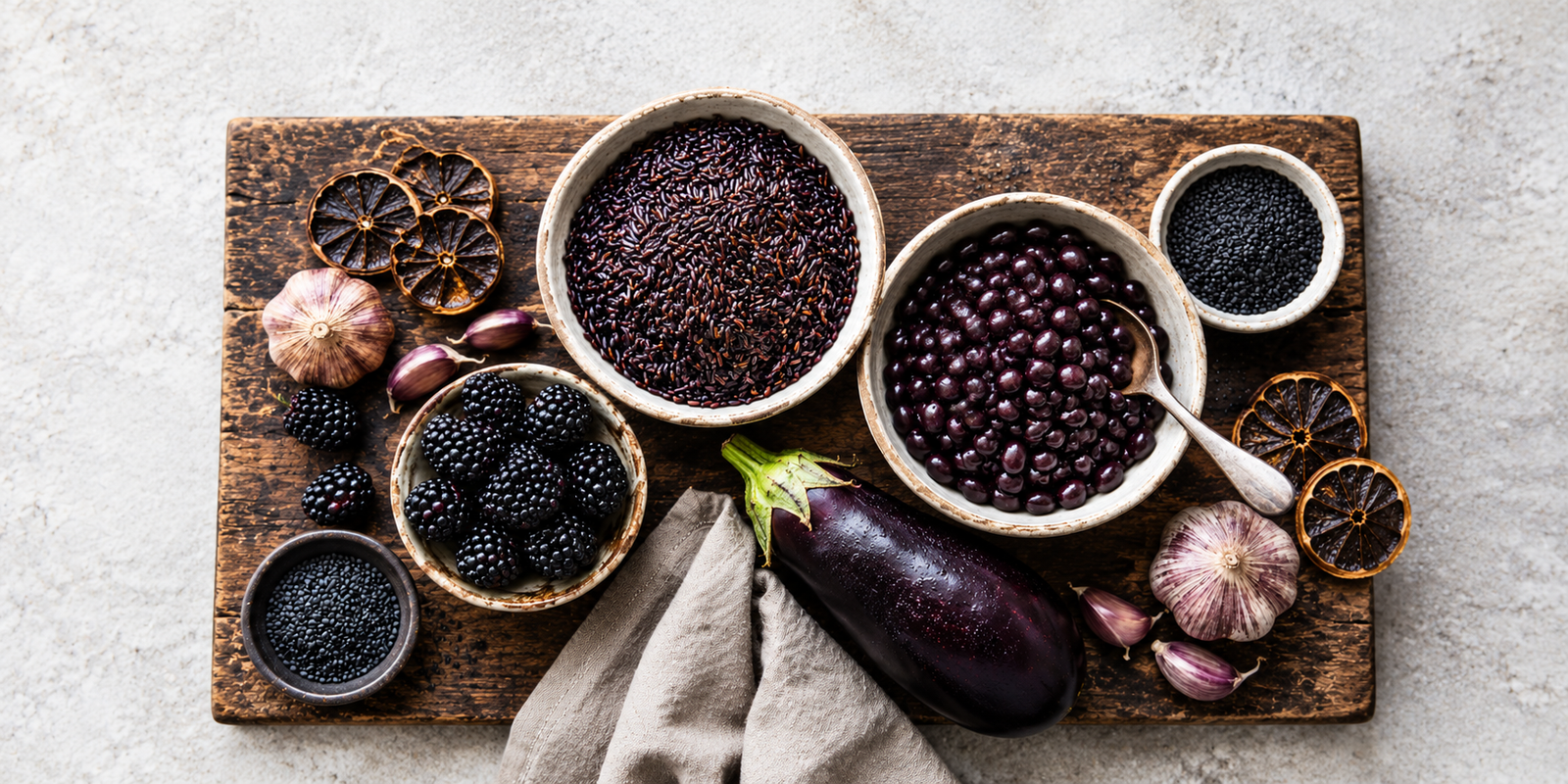
Open your pantry and count how many things are black. Pepper, probably. Maybe a can of beans. Most of us stop there, which is a shame, because dark ingredients bring some of the most interesting flavors in the kitchen: nutty, earthy, sweet, salty, smoky.
“Food in black” simply means ingredients that are naturally black or very deep purple. Some get their color from plant pigments, some from aging, and a few from the sea. Here are twelve worth knowing.
What Makes a Food Black?
Plants often get dark colors from pigments called anthocyanins, which also show up in blueberries and red cabbage. Black rice and blackberries are good examples. Other foods turn dark through processing. Black garlic, for instance, is made by aging whole bulbs for weeks under controlled heat and humidity, which turns the cloves soft, sticky, and sweet.
A quick reality check: color alone doesn’t make a food healthy. Some black foods are rich in fiber, others in healthy fats, and a few are mostly about flavor. Treat them as ways to add variety, not miracle ingredients.
1. Black Rice
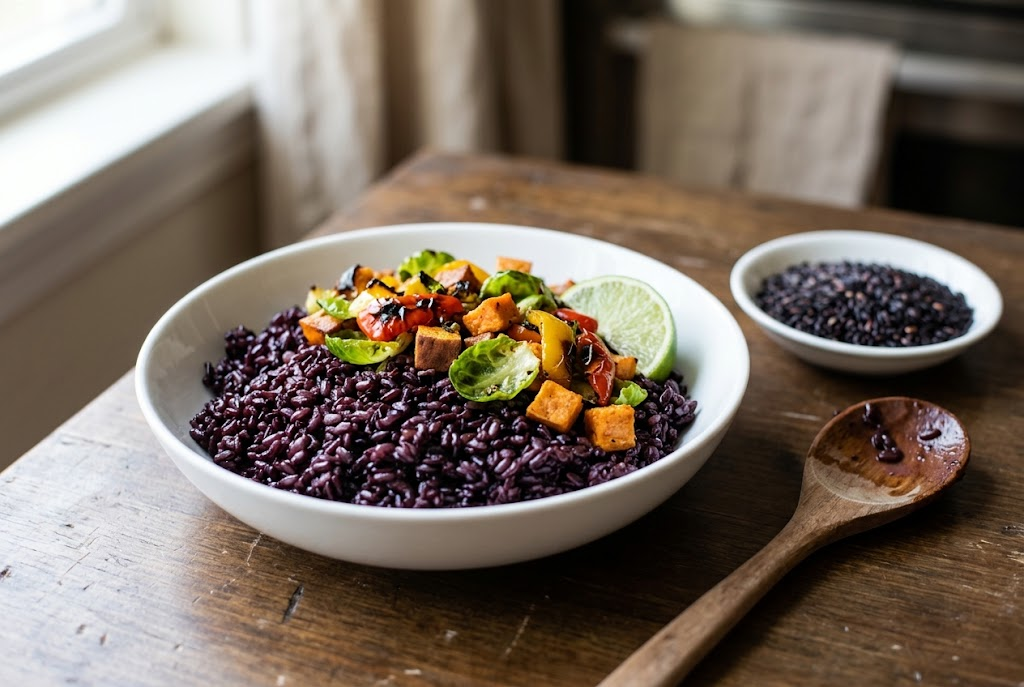
Black rice is a whole-grain rice with a deep purple-black color and a nutty taste. In parts of China it was once reserved for royalty, which is why it’s sometimes called “forbidden rice.” It’s chewier than white rice and takes longer to cook, often around 30 to 35 minutes, so follow the package directions. Try it in a grain bowl with roasted vegetables, or simmer it in coconut milk for a simple dessert.
2. Black Beans
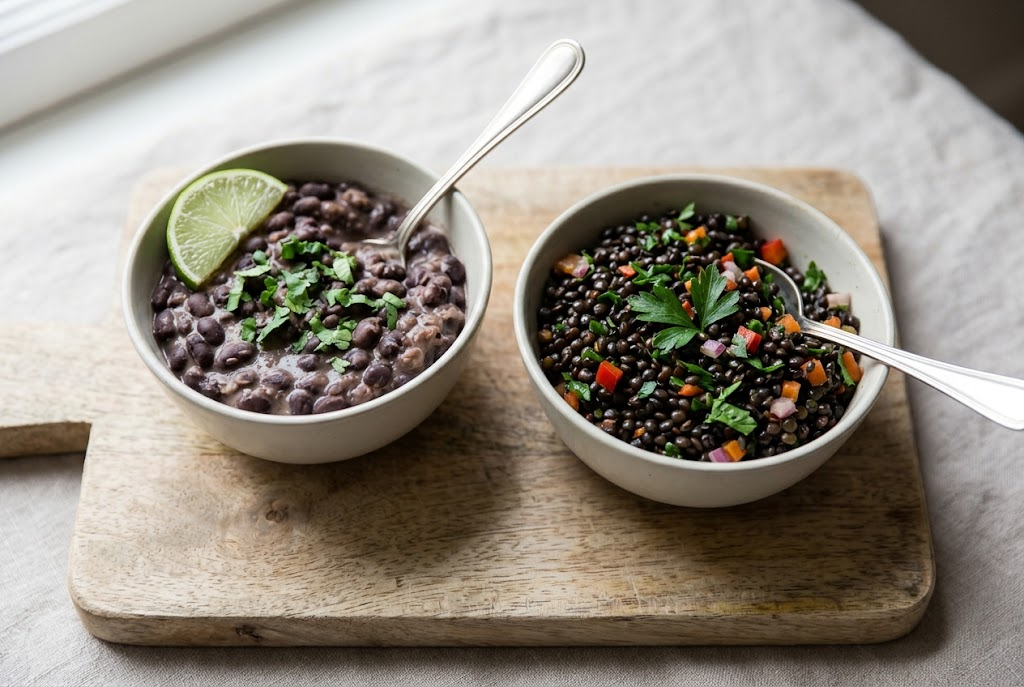
These are the easy entry point. Black beans are creamy, mild, and a good source of fiber and plant protein. Canned ones are perfectly fine, and rinsing them removes some of the added sodium. They work in soups, tacos, burritos, salads, and even brownies. Pair them with rice and a squeeze of lime and dinner is sorted.
3. Black Lentils
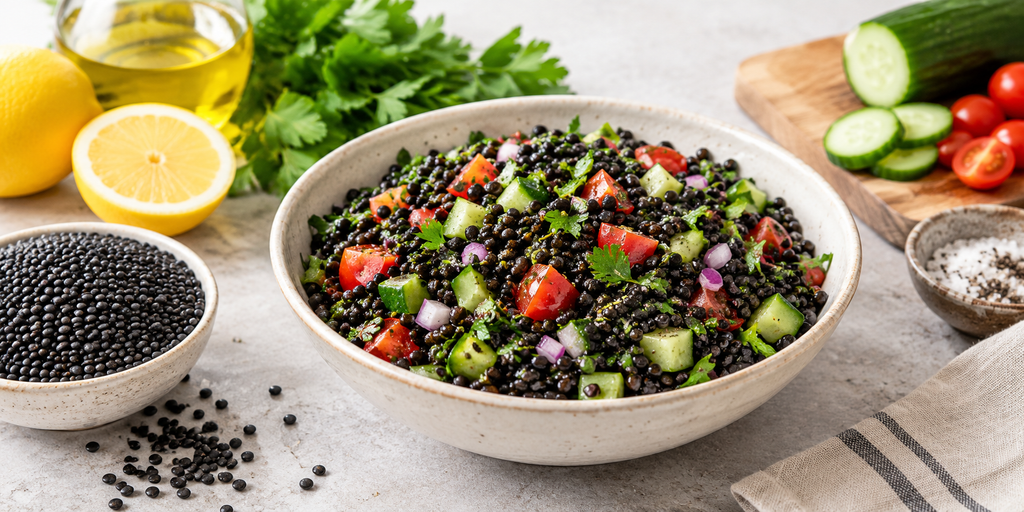
Also sold as beluga lentils, these hold their shape better than most lentils, which makes them great for salads. Simmer them for roughly 20 to 25 minutes, then toss with olive oil, lemon, parsley, and chopped vegetables. Unlike dried beans, they don’t need soaking.
4. Black Sesame Seeds
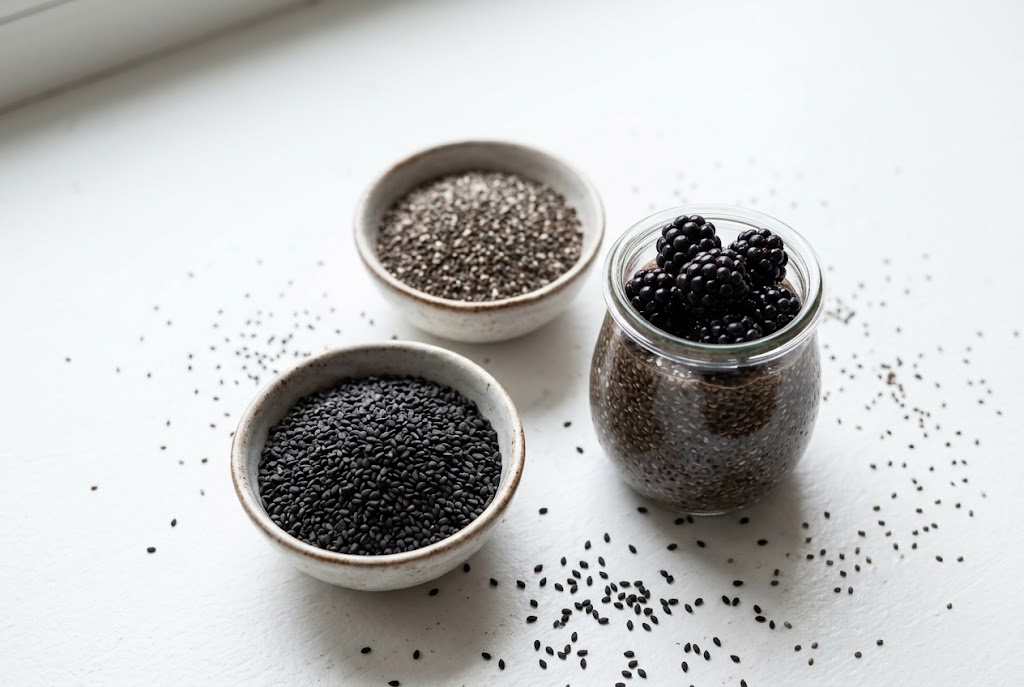
Black sesame tastes richer and a little more bitter than the white kind. It’s common in Japanese, Chinese, and Korean cooking. Toast the seeds lightly in a dry pan to wake up the aroma, then sprinkle them over rice, noodles, or roasted vegetables. They also blend into a sweet paste used in desserts and ice cream. One note: sesame is a recognized major allergen in the US, so read labels.
5. Black Chia Seeds
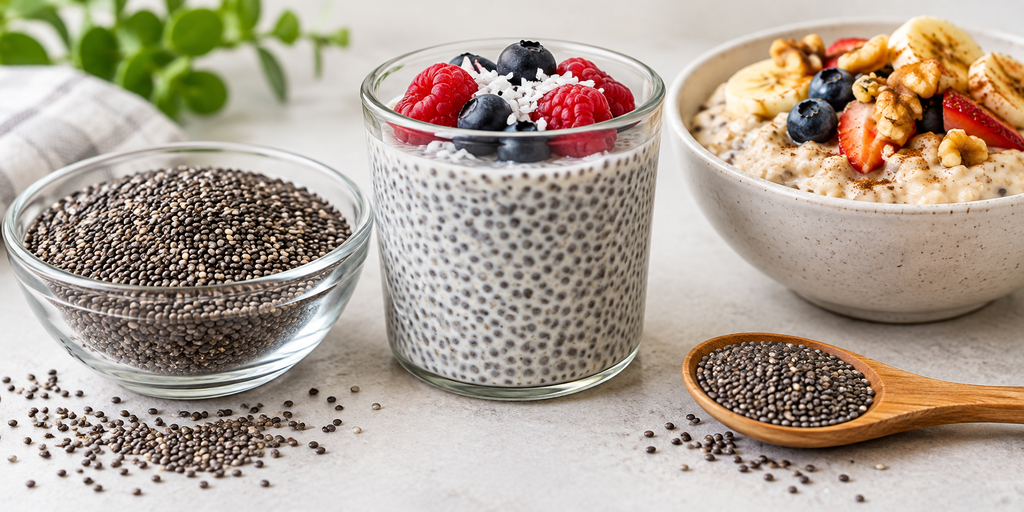
Chia has almost no flavor, and that’s its strength. The seeds soak up liquid and form a gel, so they’re ideal for chia pudding and overnight oats. They also provide fiber and plant-based omega-3 fats. Always soak them first. Eating dry chia and then drinking water can cause the seeds to swell in the throat, which is a choking risk.
6. Blackberries
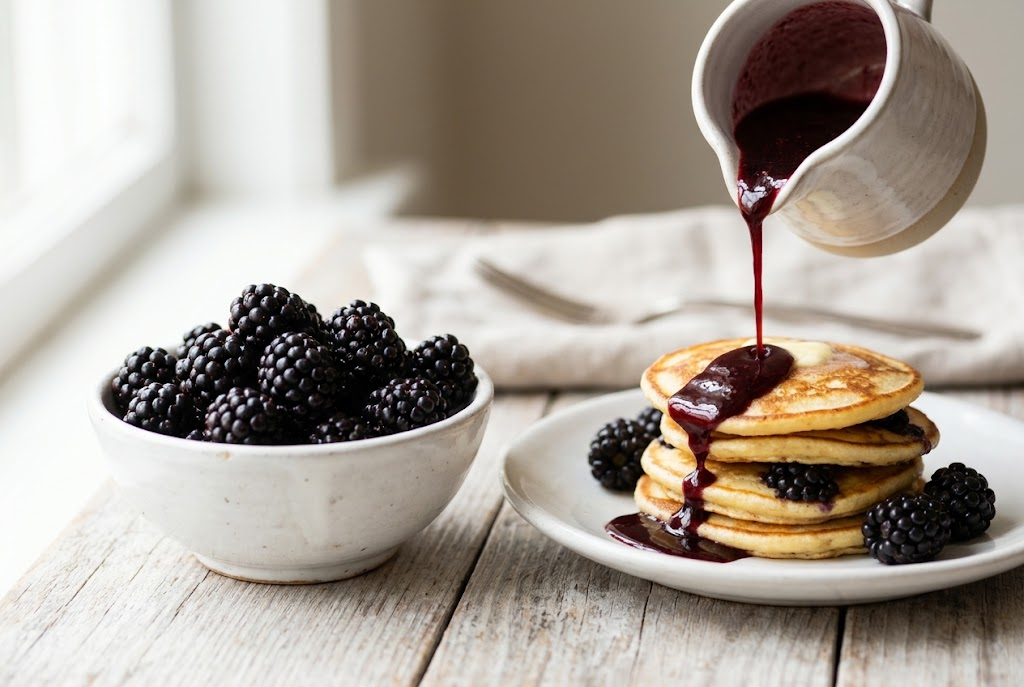
Sweet, tart, and rich in fiber and vitamin C. Fresh ones are lovely in summer, but frozen berries work just as well in smoothies, oatmeal, and quick sauces. Cook a handful with a splash of water and a little honey for a pancake topping.
7. Eggplant
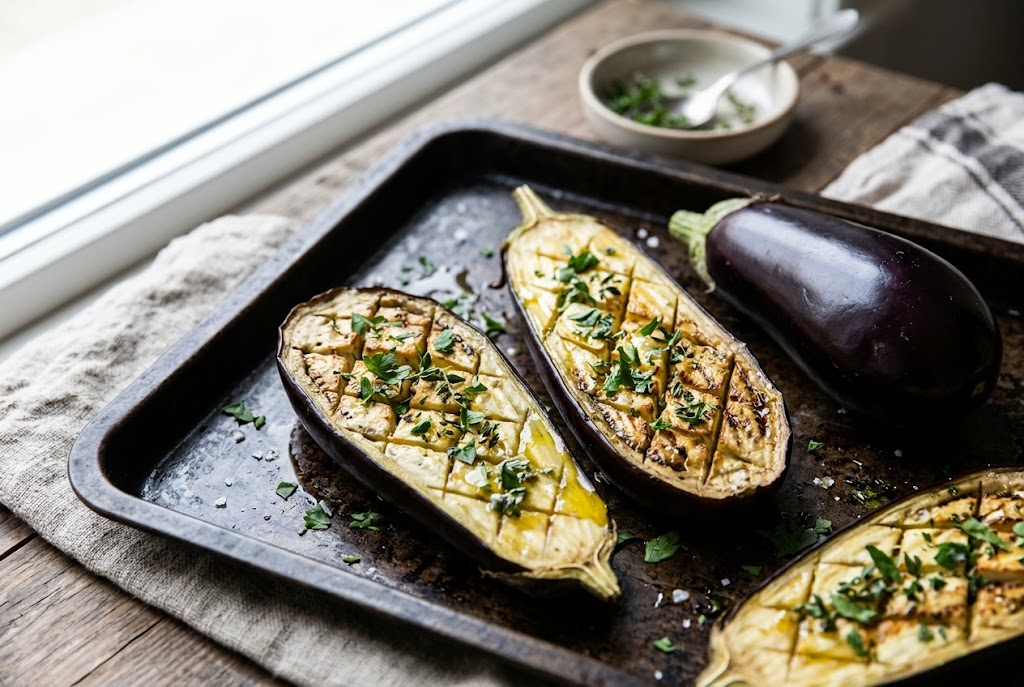
Technically it’s more deep purple than black, but the skin is dark enough to earn a spot here. Eggplant is low in calories and soaks up flavor beautifully. Roast it until creamy, grill thick slices, or bake it with tomato and cheese. Salting slices briefly before cooking draws out moisture and helps them brown.
8. Black Olives
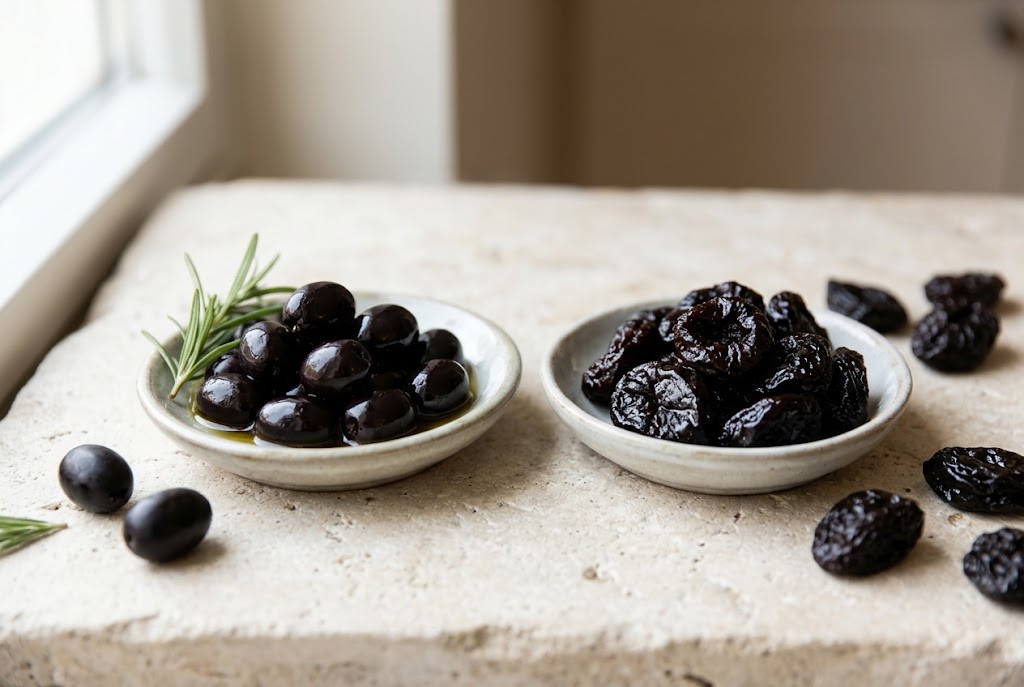
Salty, rich, and a staple of Mediterranean cooking. They go into tapenade, pizza, pasta, and salads. Because they’re brined, they can be high in sodium, so a small handful goes a long way.
9. Prunes
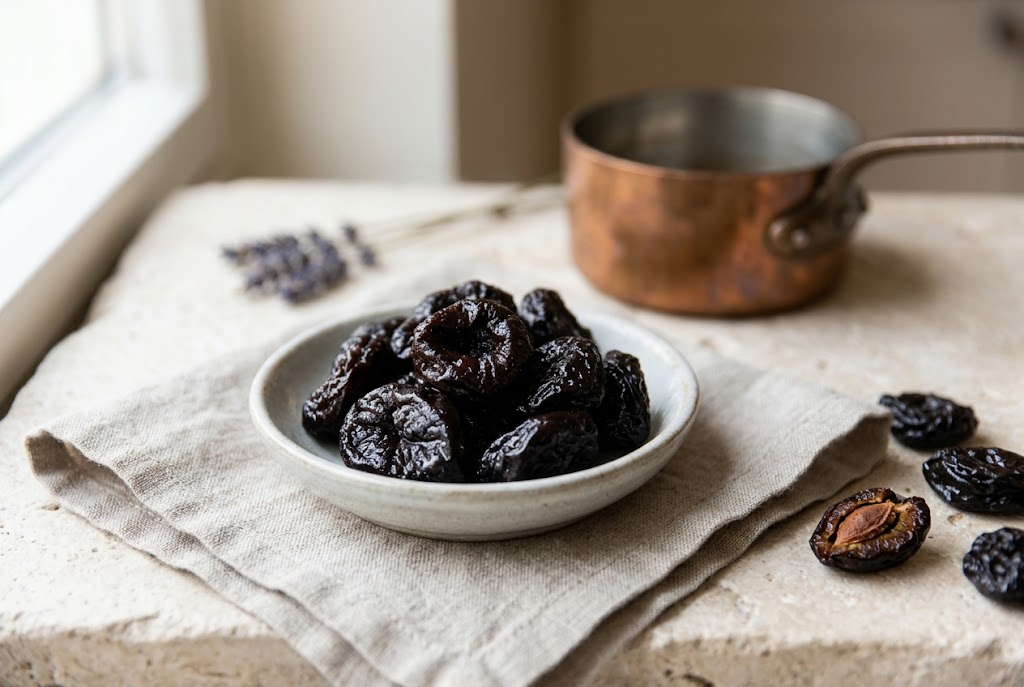
Prunes are dried plums, dark, chewy, and naturally sweet. Beyond the breakfast bowl, they work well in slow-cooked meat dishes and baking. They contain fiber, but eating a lot at once can upset some stomachs, so start small.
10. Black Garlic
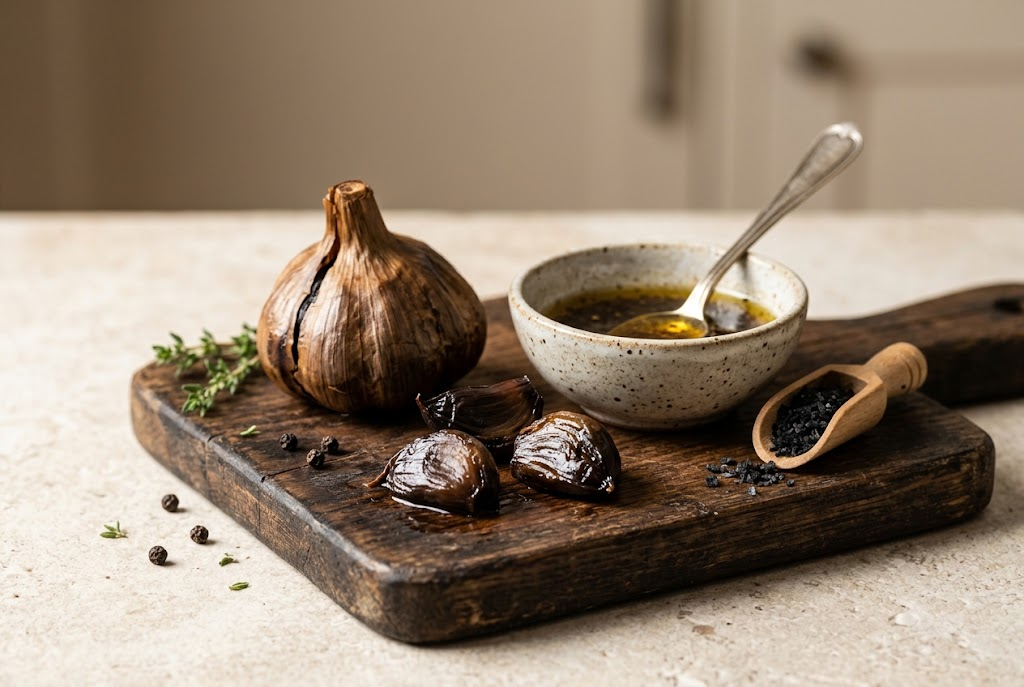
This tastes nothing like raw garlic. It’s soft, jammy, and sweet, with notes some people compare to balsamic vinegar or molasses. Mash a clove into a vinaigrette, stir it into mayonnaise, or blend it into a sauce for roasted vegetables. It’s usually sold in specialty stores and online, and it isn’t cheap, so use it deliberately.
11. Soy Sauce
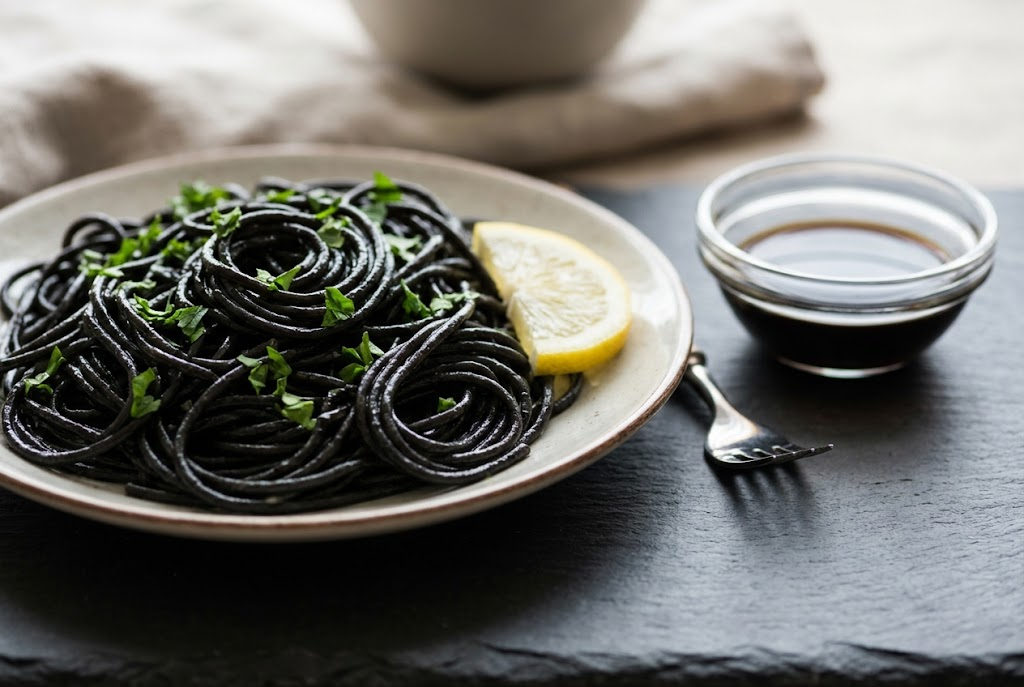
The dark, salty backbone of countless dishes. It’s high in sodium, so measure it instead of pouring freely, and look for lower-sodium versions if that’s a concern. It’s made from soybeans and usually wheat, so anyone with those allergies needs to check labels.
12. Squid Ink
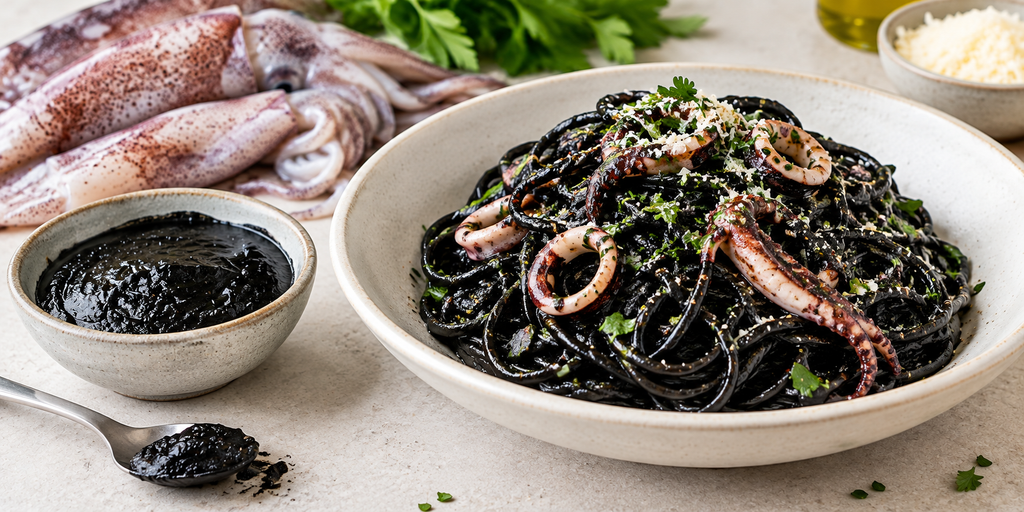
Squid ink gives pasta and rice a dramatic black color and a briny, savory taste. A little goes a long way. Since squid is a mollusk, anyone with a shellfish allergy should check with their doctor before trying it.
A Quick Word on Activated Charcoal
You may have seen black burgers, buns, or lemonade colored with activated charcoal. It looks striking, but be cautious. Charcoal can bind to certain medications and reduce how well they work, and in the US it isn’t an approved color additive for most foods. If you take prescription medicine, ask a pharmacist or doctor first. For everyday cooking, squid ink, black rice, or black sesame give you color without the question mark.
How to Start Without Overthinking It
You don’t need a pantry overhaul. Stir chia seeds into oatmeal or yogurt at breakfast. Add black beans to a rice bowl or wrap at lunch. Serve black rice or black lentils with roasted vegetables at dinner. Keep a jar of toasted black sesame near the stove for sprinkling.
If one turns out to be a favorite, build around it. If not, you’ve lost a few dollars, not your weekend.
Buying and Storing Tips
Most supermarkets carry black beans, blackberries, chia seeds, and black olives. Black rice, black lentils, and black garlic may take a trip to a larger store, an Asian market, or an online shop.
Read the label on packaged products. A food marketed for its dark color may also contain added sugar, salt, or artificial coloring. For nutrition details on specific foods, the USDA’s FoodData Central database is a reliable reference.
Store dry grains, lentils, and seeds in airtight containers away from heat. Refrigerate opened black garlic and olives, and eat fresh blackberries within a few days.
Are Black Foods Really Healthier?
Not automatically. Beans, lentils, and whole-grain black rice offer fiber and plant protein, and berries bring vitamin C and natural pigments. But a bowl of black beans with vegetables is a very different meal from something deep-fried that happens to be dark.
The best advice is the boring kind: eat a variety of colors, vegetables, whole grains, legumes, nuts, and seeds. If you have a medical condition, allergies, or take regular medication, a doctor or registered dietitian can help you decide what fits.
Frequently Asked Questions
What counts as food in black?
Any food that is naturally black or very dark, such as black rice, black beans, black sesame seeds, black garlic, blackberries, and black lentils.
Is black food healthier than other food?
Not by color alone. Some dark foods are good sources of fiber and plant compounds, but overall diet and preparation matter more.
Where can I buy black garlic and black rice?
Larger supermarkets, Asian grocery stores, health-food shops, and online retailers usually carry them.
Are there allergy concerns?
Yes. Sesame, soy, wheat, and shellfish-related ingredients like squid ink can be allergens. Always check labels.
For more simple, practical food guides, take a look at Praviceler.
Final Thoughts
Food in black is really an invitation to be a bit curious. Black rice makes a bowl more interesting, black garlic turns a plain dressing into something memorable, and black beans quietly carry a lot of weeknight dinners. Pick one new ingredient this week, cook it simply, and see whether it earns a place in your rotation.



Leave a Reply