
Salmon has a reputation for being fancy and fussy. It’s neither. If you can turn on an oven and set a timer, you can make a good fillet on a Tuesday night, with almost no cleanup.
The only real risk is overcooking, which turns a rich, tender fish into something dry and chalky. This guide shows you how to avoid that, with times, temperatures, and a few seasoning ideas that actually work.
The Basic Method
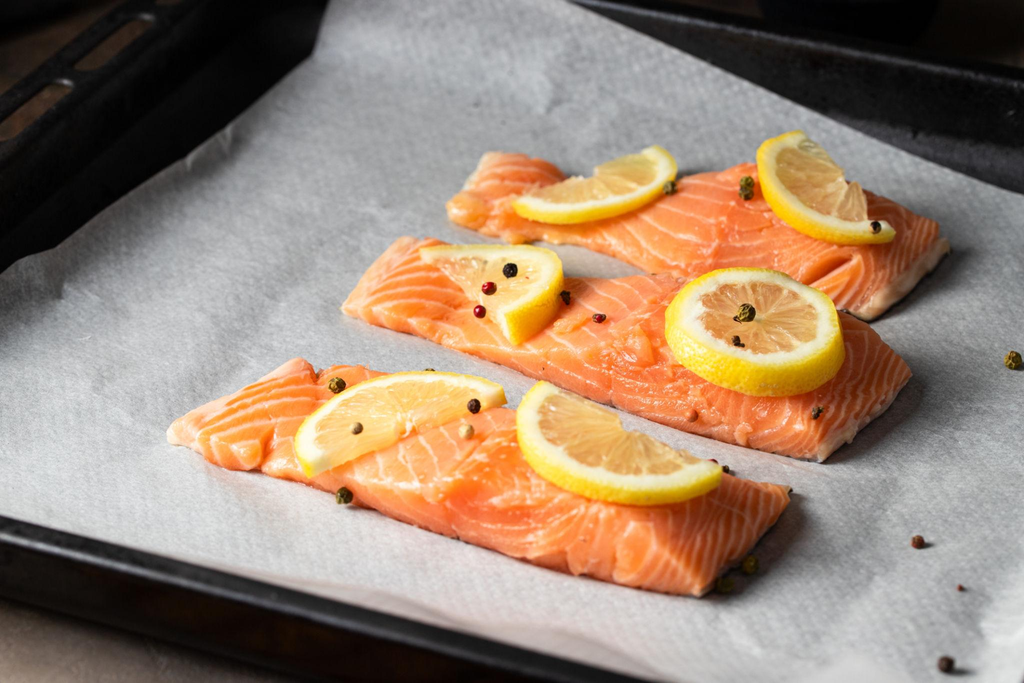
Heat the oven to 400°F and line a baking sheet with parchment paper or lightly oil it. Pat the salmon dry with a paper towel, because a dry surface browns better. Brush the fillets with olive oil, season with salt and pepper, and place them on the pan, skin side down if the skin is on.
For fillets about an inch thick, bake 12 to 15 minutes. That’s it. Squeeze lemon over the top and serve.
A whole side of salmon, the big one you’d feed a crowd with, takes longer. Plan on roughly 15 to 25 minutes at 400°F, depending on thickness.
Which Temperature Is Best?

There’s no single right answer. It depends on how much time you have and how you like the texture.
At 425°F, one-inch fillets take about 10 to 12 minutes. It’s the fastest option, and the edges brown nicely, but there’s less room for error. At 400°F, you get the same fillet in 12 to 15 minutes, which is the all-purpose choice most people settle on. At 375°F, expect 15 to 20 minutes, and the fish stays a bit gentler and moister. At 350°F, it can take 20 to 30 minutes, which works well for thick pieces or when you’re cooking something else alongside.
Thickness matters more than weight. A thin tail piece can be ready in under ten minutes, while a thick center cut may need several more. Start checking early.
How to Tell It’s Done
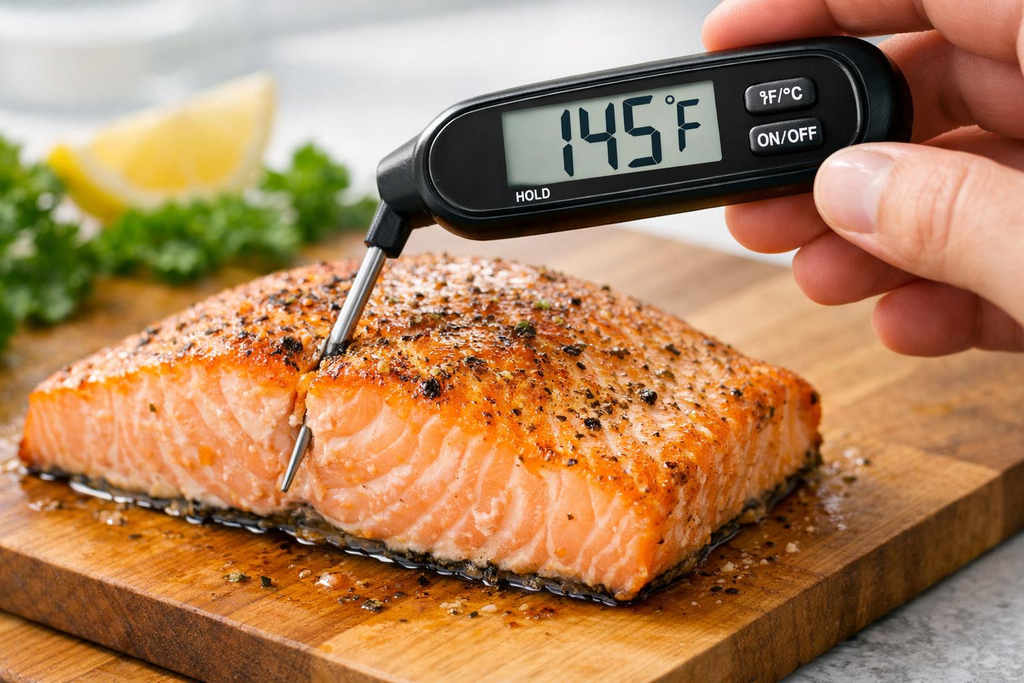
The USDA recommends cooking fish to an internal temperature of 145°F, measured in the thickest part. A thermometer is the most reliable method, and it’s cheap.
If you don’t have one, press a fork into the thickest part and twist gently. Done salmon flakes easily and looks opaque rather than glossy and translucent. Some people prefer it a little less cooked in the very center. If you do, remember that the USDA’s guidance is 145°F, and that people who are pregnant, older, very young, or have weakened immune systems are generally advised to stick to fully cooked fish.
Remember that salmon keeps cooking for a minute or two after you pull it out. If you’re aiming for tender, take it out just as it reaches temperature, instead of waiting until it looks overdone.
What’s the White Stuff?

You’ve probably seen white streaks or a pale film forming on the surface of baked salmon. It’s called albumin, a protein that pushes out of the fish as the muscle fibers tighten. It’s harmless. It tends to show up more with high heat or overcooking, so a lower temperature or a shorter cook time reduces it. You can scrape it off with a spoon if it bothers you.
Skin On or Skin Off?
Either works, and the choice mostly comes down to taste. Skin protects the flesh from drying out and holds the fillet together, and it crisps up nicely if you cook it skin side down. If you don’t eat the skin, it slides off easily after baking. Skinless fillets cook a touch faster and take on seasoning more directly.
Easy Seasoning Ideas
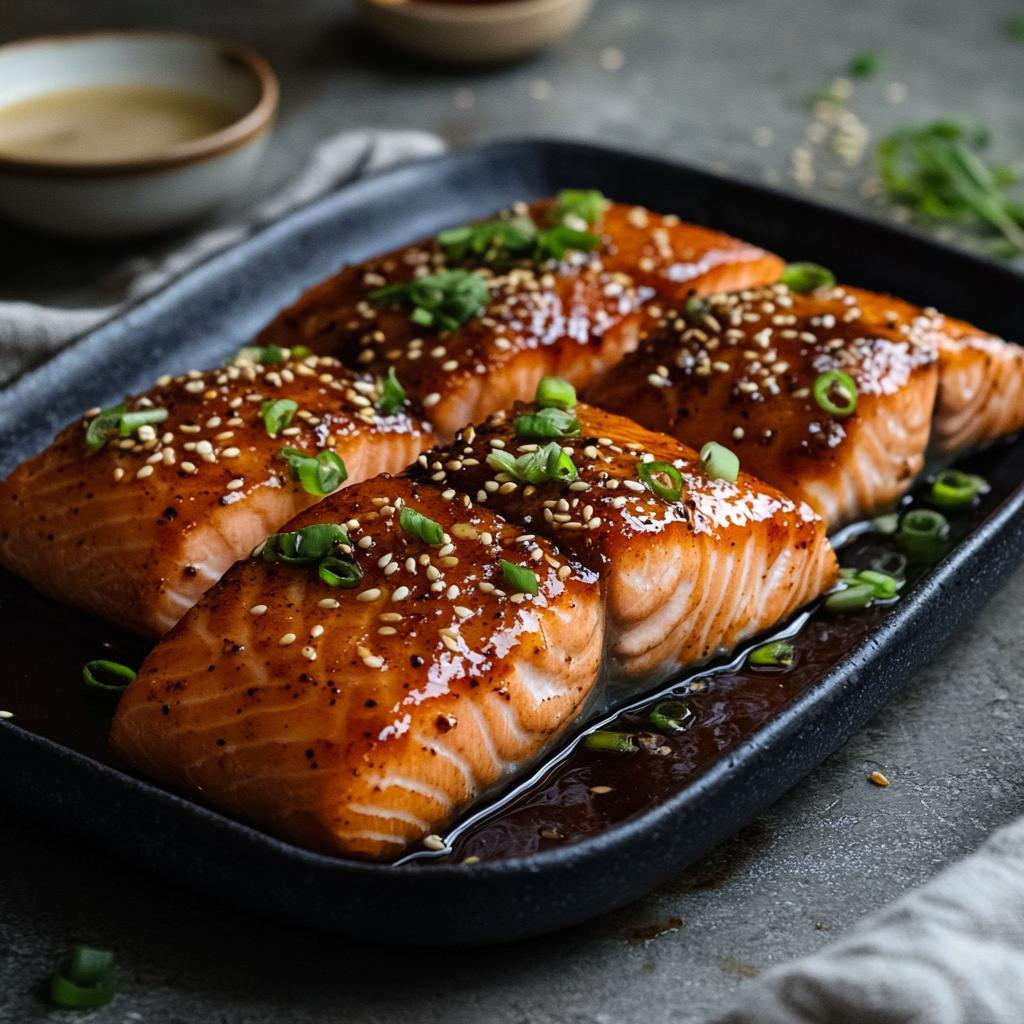
Salmon is rich enough to stand up to bold flavors, but it doesn’t need much.
Lemon and garlic. Mix minced garlic with olive oil and lemon zest, brush it over the fillets, and add a few lemon slices on top. It’s simple and pairs with just about everything.
Honey and mustard. Stir together Dijon mustard and a little honey, then spread it on the fish. The sweetness caramelizes at the edges.
Soy and ginger. Whisk soy sauce, grated ginger, a splash of rice vinegar, and a little sesame oil. Brush it on in the last few minutes so it doesn’t burn. Watch the salt, since soy sauce is high in sodium.
Herb butter. Soften butter and mix in parsley, dill, and a pinch of salt. A spoonful melting on top of hot salmon is hard to beat.
Spice rub. Paprika, garlic powder, a little brown sugar, and black pepper make a quick, smoky coating.
Foil Packets and Other Variations
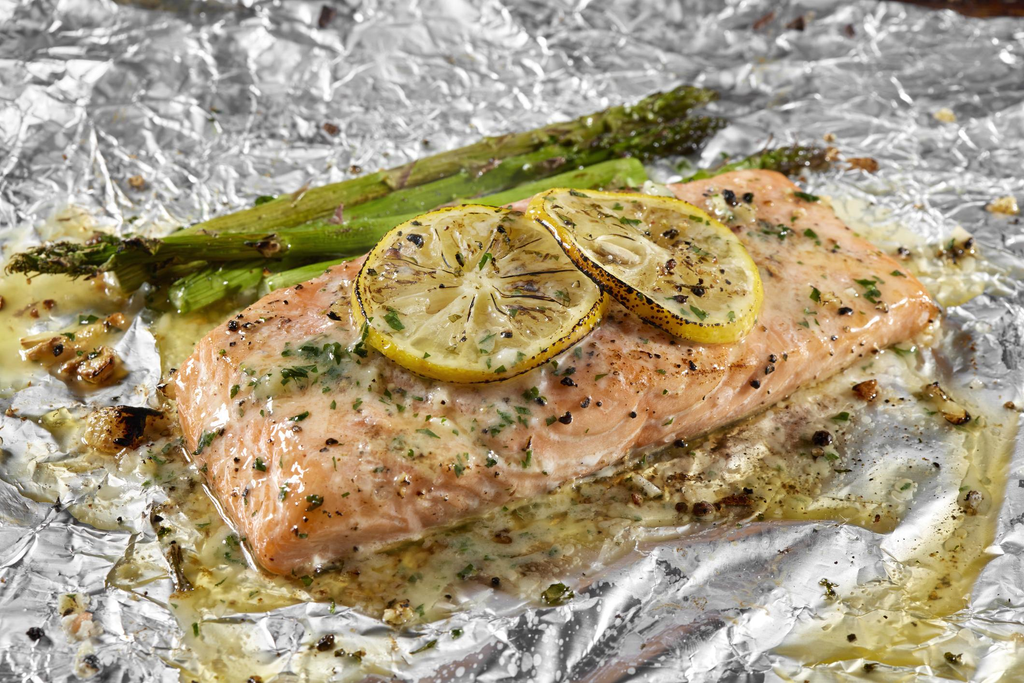
Baking salmon in a foil packet, with sliced lemon, a little butter, and vegetables like asparagus or green beans, keeps the fish especially moist because it steams in its own juices. Seal the foil well and bake at 400°F for about 15 to 20 minutes, depending on thickness. Open the packet carefully, because the steam is hot.
If you want crisper edges, finish the fillets under the broiler for the last minute or two, watching closely. And for a one-pan dinner, roast vegetables on the same sheet pan. Quick-cooking ones like asparagus and cherry tomatoes can go in with the salmon, while heartier ones like potatoes need a head start.
Cooking Frozen Salmon
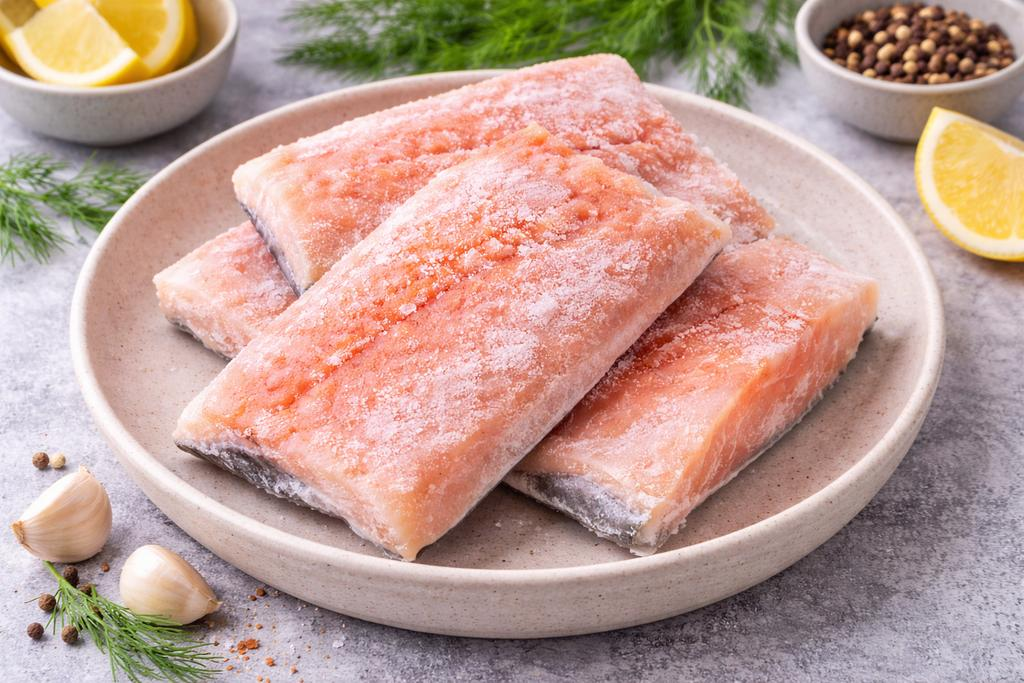
Thawing in the refrigerator overnight is the safest approach. If you forgot, you can often bake salmon from frozen, but it needs more time, roughly 50 percent longer, and you should check the internal temperature carefully. Avoid thawing salmon on the counter, because the surface can warm up into an unsafe range while the center is still frozen.
What to Serve With It
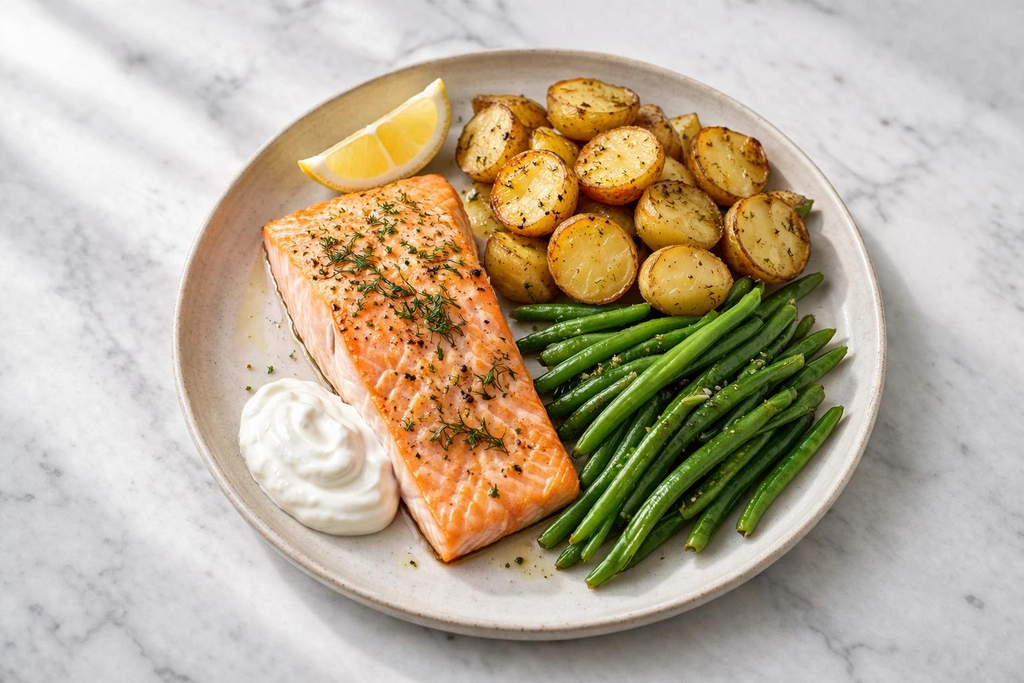
Salmon goes with almost anything. Roasted potatoes, rice, quinoa, or crusty bread handle the carbs, and a green vegetable or a simple salad rounds out the plate. A spoonful of yogurt mixed with lemon and herbs makes a quick sauce, and it’s lighter than a cream-based one.
Storing and Reheating Leftovers
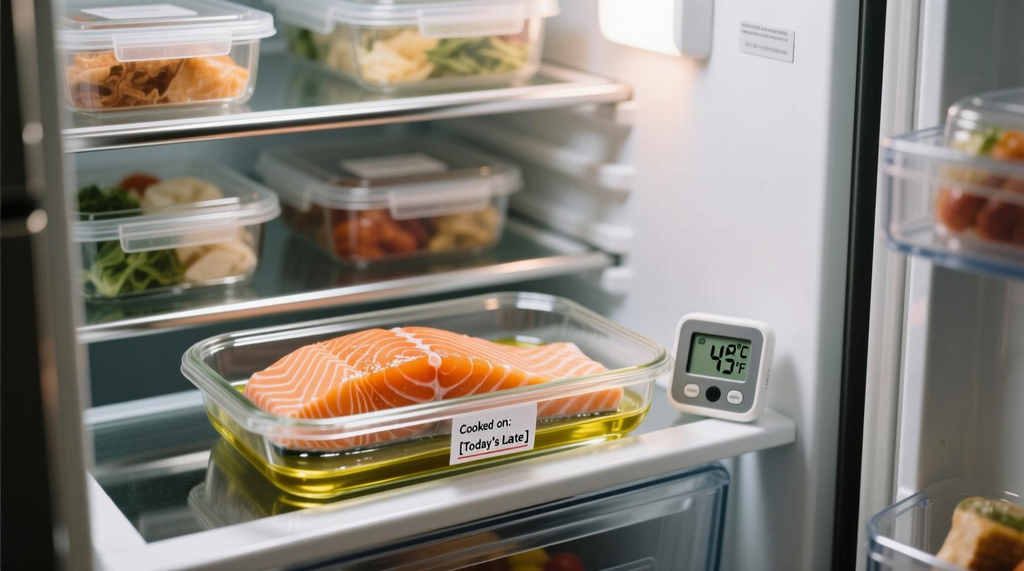
Refrigerate cooked salmon within two hours, and eat it within three to four days. The FoodSafety.gov cold food storage chart lists storage times for other foods.
Leftover salmon works cold in salads, grain bowls, or sandwiches. If you want to reheat it, do so gently, at a low oven temperature or in short bursts, because high heat dries it out quickly. Reheat leftovers until they’re steaming hot, to 165°F, as the USDA recommends.
Common Mistakes
Overcooking is the big one. Set a timer for the low end of the range and check early. Another mistake is cooking cold fish straight from the fridge, which can cook unevenly, so let it sit out for about 15 minutes while the oven heats. Crowding the pan is also a problem, since fillets need a little space to cook evenly. And skipping the pat-dry step leaves you with a steamed, pale surface instead of a roasted one.
Is Salmon Healthy?
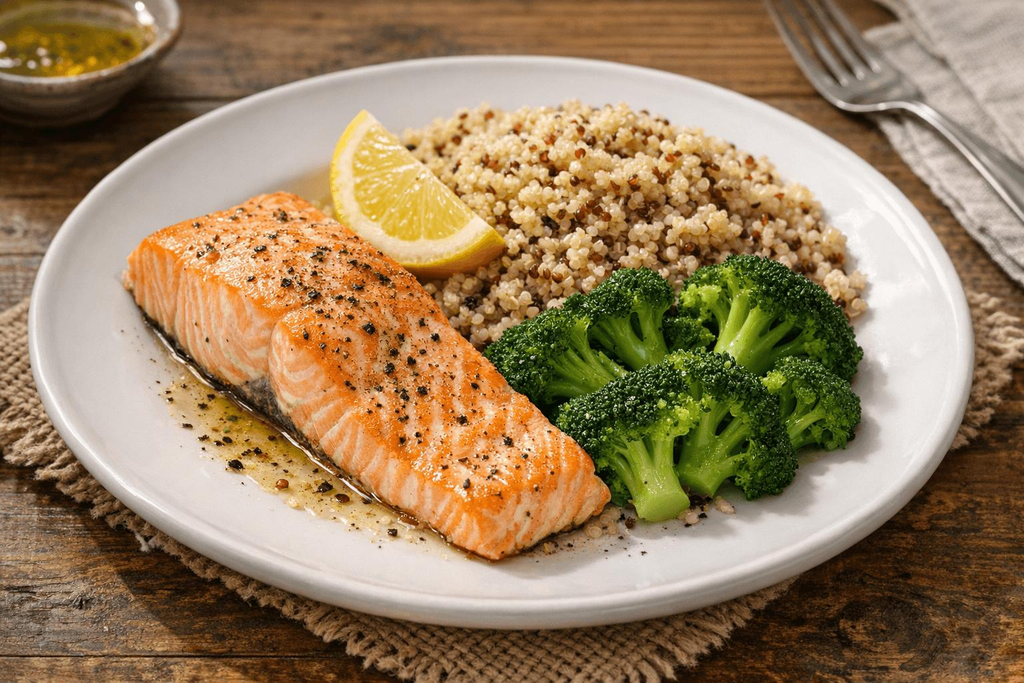
Salmon is a good source of protein and provides omega-3 fatty acids, along with vitamin D and several B vitamins. Health authorities generally encourage eating fish regularly as part of a balanced diet. Specific recommendations depend on your age, health, and circumstances, including pregnancy, so a doctor or registered dietitian can give personal advice. For general guidance on seafood, the USDA’s MyPlate protein foods is a handy reference.
Frequently Asked Questions
How long do you bake salmon at 400°F?
For a one-inch fillet, about 12 to 15 minutes. Thicker pieces take longer.
What internal temperature should salmon reach?
The USDA recommends 145°F, measured in the thickest part.
Should I cover salmon with foil?
Not necessarily. Uncovered gives you a roasted surface, while foil packets keep it moister and steamier.
Can I bake salmon from frozen?
Often yes, with extra time, but thawing in the fridge is the safest and most even method.
Why is my baked salmon dry?
Usually it was cooked too long or at too high a temperature. Check earlier and pull it out when it reaches 145°F.
Final Thoughts
Oven baked salmon is one of the easiest dinners you can make. Pat it dry, season it simply, bake it at 400°F for about 12 to 15 minutes, and check with a thermometer. For more simple kitchen guides, take a look at Praviceler.



Leave a Reply